
A look at where WSF stands in electrifying its fleet, terminals
Published 1:30 am Wednesday, July 1, 2026
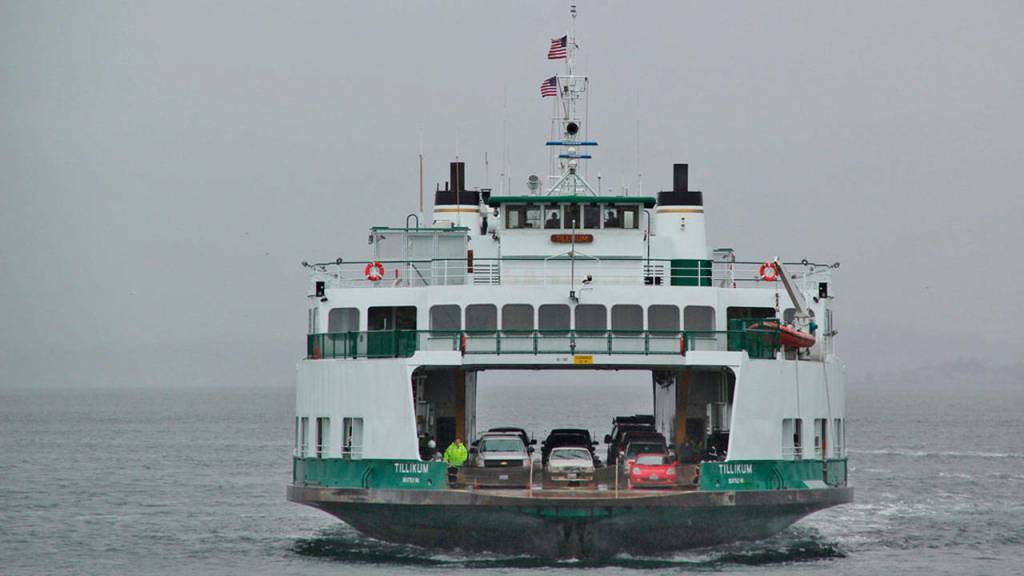
Washington State Ferries has a goal of transitioning to an emission-free ferry fleet by 2050. The Ferry System Electrification Program is estimated to cost $6 billion, and will include up to 16 new hybrid-electric vehicles, adding shore charging at up to 16 terminals and converting up to three vessels to hybrid-electric power. The Wenatchee is already functioning as a hybrid-electric ferry and WSF estimates the first 160-auto ferry could be in service as early as 2030.
Currently, WSF burns approximately 19 million gallons of diesel fuel to support nearly 20 million passengers every year, as the fleet is the largest in the country. The electrification of the system will reduce emissions, ensure resiliency and save millions in fuel costs, per WSF’s website.
2019 Bainbridge High School graduate, Patrick Ledoux, was part of a five-student team at Washington State University that developed a charge management system designed to help hybrid-electric ferries recharge while docked. Ledoux graduated with a Bachelor of Science in Mechanical Engineering in May. The rest of the team consisted of three other mechanical engineers, John Geiser, TJ Stroschein and Joe Mueller, as well as one material science and engineering student, Michael Paul Buntain.
The charge management system (CMS) that the team created acts as the communication hub between the vessel and the charging equipment on shore, including communication about when charging can begin and tracking operational data throughout the process. The system allows vessels to charge in roughly 17 minutes while passengers unload and board before the next sailing.
WSU’s capstone engineering program partnered with WSF to complete the project.
David Sowers, WSF System Electrification Program administrator, shared that WSF is moving forward to electrify the terminals to provide medium voltage power and the WSU project will be integral to the charging solution.
“The CMS developed by WSU’s students is a necessary component of the overall system that provides shoreside charging to the docked hybrid-electric vessels at Colman dock,” said Sowers. “The CMS safety allows the vessel’s communication system to ‘connect’ with the dockside charging arm that plugs into the boat receptacle. It monitors the physical connection, charging necessary to top off the batteries and the disconnect.”
WSF partnered with Stemman-Technik (Schüttorf, Germany) beginning in November 2025, which is supplying charging systems for the hybrid-electric fleet. The same charging equipment will be at all of the terminals, so ferries can change terminals as needed and still operate reliably.
To date, funding has been provided to convert the Wenatchee vessel from diesel-only to a hybrid vessel, design plus construction of three new vessels, which will commence this July, and a design plus construction of three electrified terminals, including Bainbridge Island and Bremerton, Sowers shared. $1.68 billion is currently secured of the estimated $6 billion project cost, including a little over $1 billion from Move Ahead Washington and $599 million from the Climate Commitment Act.



Best of Bainbridge