He wove understanding of life
Published 4:00 pm Saturday, October 8, 2005
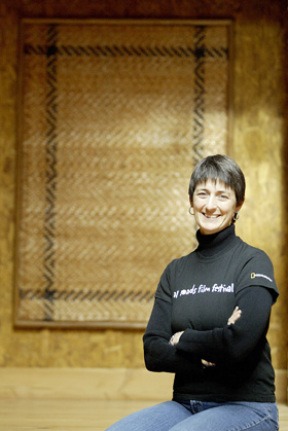
A new film chronicles native teacher Bruce subiyay Miller.
When she set out to make a documentary about Bruce subiyay Miller, the traditionalist leader of the Skokomish tribe, director Katie Jennings thought she was in charge.
As they began to spend time together, Jennings – the film and video coordinator at IslandWood – realized other hands were shaping the project.
One day, Jennings spent six hours listening and looking at what Miller wanted to show her.
She did no filming that day.
“Instead of feeling panicky, I was actually feeling it was an extremely important experience,†she said. “It gave me more richness and depth and it clarified who really was directing this.â€
Miller, who died in February at age 60, believed in the importance of keeping cultural traditions alive.
He readily shared his knowledge, which ranged from Twana twined basket-making methods to traditional storytelling and songs.
The Twana were from the Puget Sound area and consisted of nine communities, one of which was the Skokomish.
Some of his thoughts have found their place in history through Jennings’ documentary, “Teachings of the Tree People.â€
Last month, National Geographic screened the film at its All Roads Festival in Los Angeles and Washington, D.C.
Advisory board members nominate films for the festival, which helps identify new filmmaking talent. The events also feature music, art and networking sessions attended by diplomats, National Geographic staff members and the public.
“The festival provides indigenous filmmakers with opportunities to tell their stories in their own voices,†Jennings said. “Since Sept. 11, there is real recognition that people need to tell their own stories.
“‘The Tree People’ are the trees. They were the first people. They teach not through words, but through example. Old trees, young trees, they all make room for one another. Bruce said they were silent, unspoken lessons.â€
From age 3, Miller soaked up learning skills and oral traditions at the side of his great-grandmother and other family.
As he grew older, the master bark weaver focused on education, so that no more aspects of his culture would be lost.
Last year, Miller agreed to weave cedar mats for IslandWood’s Great Hall if Jennings would make a movie about it.
How to gather materials for the mats and put them together weren’t all Miller intended to teach.
“I felt like I had drunk five cups of coffee and was in the presence of an amazing person,†said Jennings, a former producer at KCTS, Seattle’s public TV station. “The breadth of his knowledge was so wide and so deep.â€
Miller explained the importance of passing traditions and cultural history from one generation to the next and shared family stories, as well as what he hoped his legacy would be.
He searched for the right cedar bark with a nephew and showed schoolchildren visiting IslandWood how to work the material. The 4-by-8-foot mats now hang at IslandWood and at the Seattle Art Museum, in recognition of the local art forms that have sprung up from the land.
For Jennings, it was a two-hour drive each way to Miller’s home on the Skokomish reservation, but what he revealed took her back a much greater distance.
“Neither of us knew how big a project this was going to be,†she said. “Little by little, I learned his teaching methods are very indirect. I had to piece things together. I worked through a number of tests – or hoops – before he opened up to me.
“For me it was an unforgettable experience. I really like control after 15 years of making films. I have my process. To give up that much control was uncomfortable for me. But I felt we were in the hands of a great mind who was giving us what was important.â€
The film spoke to her.
“It became so clear Bruce’s main message was about what it means to be an educator,†she said. “As I looked at it more…I saw that nature is our first teacher and the importance of hands-on education. These are the educational methods IslandWood is based on. It’s just another example of how much we all have to learn from various cultures.â€
Jennings shot a 60-minute film over the course of a year to include all four seasons.
Miller’s message is one of pride and an appreciation of the individual customs and cultures, and how those gifts work together. It is how the trees work in tandem to hold the world together.
He watched the documentary before he died from complications of diabetes and heart problems. He told everyone the film was what he wanted it to be.
“It was a wonderful affirmation,†Jennings said.
In the film Miller said: “My health problems awakened me to the importance of ensuring that I have reciprocants for what I have to share. I may be gone, but my breath is still here.â€
* * * * *
Hear the trees
A 20-minute version of Katie Jennings’ “Teachings of the Tree People†is in the Native American Museum’s resource center in Washington, D.C. and on local BITV Comcast channel 12. The hour-long edition will premiere Feb. 12, 2006, as part of IslandWood’s culture history series. The series begins Sunday (see page A2). Information: 855-4300.