A new path to city stability
Published 5:00 pm Saturday, October 7, 2006
“Turmoil†is too strong a word.
But when a business or professional organization turns over 20 percent of its staff in a single budget year, it can be fairly described as
something less than stable.
Many citizens were probably surprised to learn this week that the City of Bainbridge Island has quietly seen unusual turnover of late. More than 30 employees (in a staff of 144) have parted ways with the organization over the past 10 months, and some 17 positions are currently vacant.
Talented engineers have beaten paths to the more lucrative private sector, hamstringing Public Works and leaving $14 million worth of unfinished projects. Other departing employees have cited job dissatisfaction or a poor career ladder for advancement within City Hall; the challenge of living on Bainbridge Island on a public employee’s wages, or the cost in time and money of commuting to the island from elsewhere; or a lack of respect and appreciation by the organization, the City Council or the public.
The issues come to light as mayor and council hammer out a budget for 2007. Beyond filling the vacant chairs, the mayor’s draft calls for more than 12 new full-time equivalent positions to ease the workload on current staff and meet the demands of the community.
Initiatives range from a second code enforcement officer for land use, to an urban design planner for Winslow Tomorrow, to a pair of new motorcycle traffic officers on the roads. Other additions too numerous to mention here address a range of perceived needs.
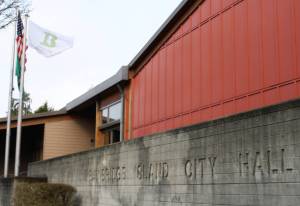
Given the council’s recent resolve to hold the line on spending by tamping down workforce additions – and given that the City Hall building itself, just seven years old, is basically out of space – the proposals may go nowhere. Too, as some council members point out, there’s little point in piling on new projects when current ones languish. Yet even as the council and administration wrangle over staff additions, they need to think about staff retention.
Assuming the council approves funding, the city for the first time in a decade will embark on a formal classification and compensation study. The review will gauge the pay and benefits of rank and file employees, based on their responsibility within the organization and against the pay offered by comparable cities. By policy, the city has generally set workers’ pay based on the “average†salary of like-sized towns. But what if that formula no longer works? Should a high-cost-of-living community like Bainbridge start paying premium salaries to attract and retain top professionals? And what if the study supports the need for more employees?
Or instead – brace yourself here – might citizens see more progress with less process? Indeed, the administration may well come around to asking the most subversive question of all: whether the island’s sacred political process – either a necessary safeguard for community interests or a maddening tribulation, depending on your position in the land-use sphere – is itself the cause of staffing problems.
Has the circular ritual of shuttling legislation and projects among council, committees, advisory groups and staff for endless review, revision, regurgitation and reconstitution finally grown too cumbersome to manage? Might not city staff accomplish more – and be happier doing it – if they could complete one project and move on to the next with more dispatch?
Somebody ought to ask.
There’s no single answer to staff turnover, but the city needs a class of long-term, committed professionals to help the organization grow and mature. A revolving door for personnel won’t serve anybody.