BIPD talks to community about issues
Published 1:30 am Thursday, March 25, 2021
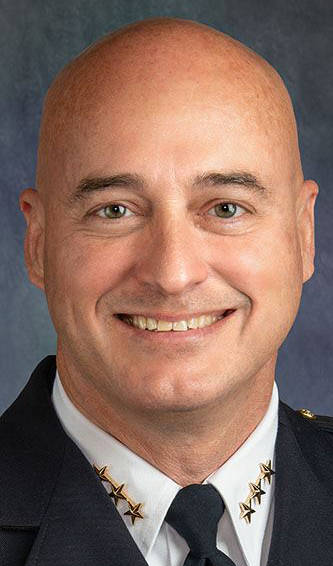
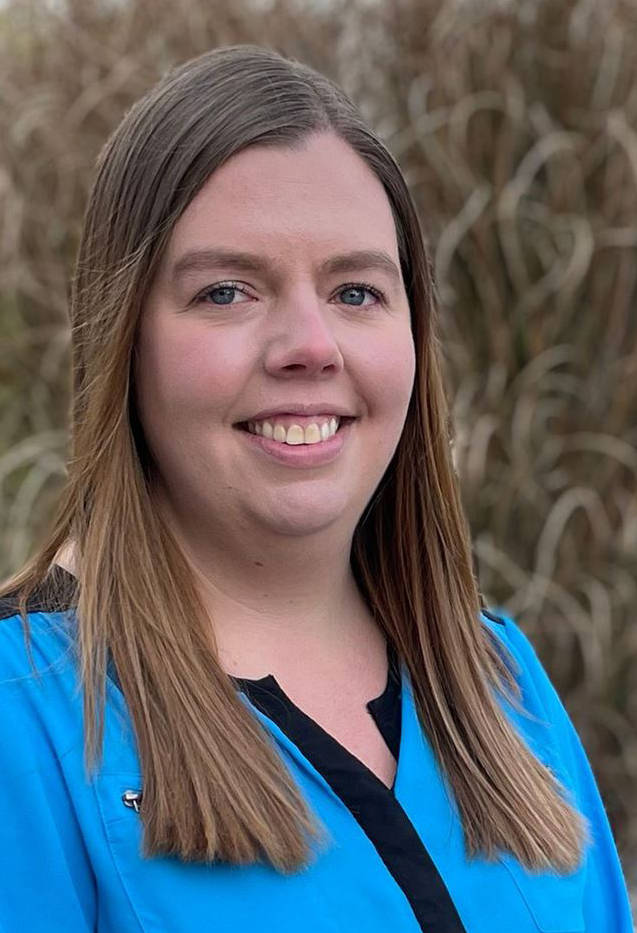
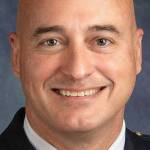

Bainbridge Island Police Chief Joe Clark and new full-time navigator Kelsey Lynch spoke at an online community forum Tuesday.
Clark started the session with a slide show of statistics that showed crime was down in 2020, most likely due to restrictions placed on Washingtonians due to COVID-19. Collisions were down 20 percent, again most likely because people were working from home, Clark said.
Identification fraud took a huge leap, from 46 in the prior year to 364 last year, but about 300 of those had to do with the statewide unemployment fraud case.
One of the most surprising stats was the increase in 9-1-1 hangups to 1,100 in 2020. “They do create work for us,” Clark said. “It’s like an alarm, we have to follow up on it.”
He said people having issues with their cell phones were a major reason behind the faulty calls.
Clark said domestic violence arrests were up, but there were only nine cases of use-of-force by BI officers. Out of 10,297 cases, that mean a percentage of just .09. Of the nine cases four involved a Taser, and in only one of those cases was the taser deployed and that was due to an officer being assaulted.
There were eight complaints against officers, which included driving habits and not following through on a report. Clark said those problems were addressed through training and counseling.
The top community concern last year again was speeding, with parking, which normally ranks No. 2, being replaced by COVID.
As for community outreach, Clark said normally the Citizens Police Academy would be going on about now, but due to the coronavirus that’s on hold. He’d also like to start up Coffee with a Cop again, along with having quarterly meetings with the public in person, but those also are on hold.
As for Lynch, instead of just dealing with behavioral health her title was changed to community health to broaden her reach of influence. She links people who come in contact with police to services they need.
Lynch was asked what kind of anti-racism training she has received?
She said the entire BIPD received anti-bias training in 2019. She also said her graduate training in college dealt a lot with race equity. She said she approaches every situation with that in mind because she can’t assume by her first interaction how a person identifies.
The pair also were asked if Lynch goes out on 9-1-1 calls. She said while she can be called out she trusts the BIPD officers.
“We’re fortunate that Bainbridge Island officers are trained in de-escalation and don’t need my help most of the time,” she said. “They’re so compassionate.”
Lynch said while she can support officers in the field in a moment of crisis she’d rather stay out of the way.
She said tensions are so high during de-escalation that conversations about next steps are not often understood. “After the fact is far more effective,” she said. “I might be a liability” on scene because I’m not tactically trained.
Lynch was asked if there are enough services on the island to help people, and her answer was a simple, “No.” However, she said that is the case across the state, and even the nation. Services tend to be in metro areas, so more-rural areas nearby, such as BI, are lacking.
She said in Kitsap County there are services in Bremerton, but because of time, transportation and lack of finances many people don’t get the help they need. She said Helpline House does a fine job bringing services closer to home, but their capacity is limited.