
Recent Eagle Harbor grad continues conservation work on East Coast
Published 1:30 am Thursday, July 30, 2026
Eagle Harbor High School class of 2025 graduate Sebastian Ford made an impact in the Pacific Northwest before he spread his wings to the East Coast, where he continues to work in environmental studies.
Ford’s activism started at a young age, when he was drawn to the cuttlefish, a type of cephalopod, similar to octopi and squid. “They are what first drew me towards the ocean, because of their intelligence and ability to blend in,” he said. “Along with that, I think I have always wanted to stop wrongs in the world and help heal wounds.”
With both admiration for the ocean and a desire to heal, Ford was driven to make a difference. He began volunteering at the Seattle Aquarium, where he connected with the public. “Talking about all of the problems that our species hasn’t been able to change frustrated me and made me want to make a bigger difference,” he said.
That was it: the driving force that led Ford to work with Puget Sound Restoration Fund and where the idea for a bill was born.
Ford helped pass a law in April 2025 alongside 23rd District Rep. Greg Nance, designating bull kelp as the state’s official marine forest in recognition of its “crucial role in the region’s ecology, culture and economy,” he said. In addition to being present at the bill’s signing, Gov. Bob Ferguson named Ford Washingtonian of the Day April 16, 2025.
“Kelp, a super seaweed, is the key to saving our endangered salmon and orca,” Nance posted on Facebook after the bill was passed. “In a special surprise during the signing ceremony, Gov. Ferguson designated April 16 ‘Bull Kelp Day’ by proclamation. Today is an important step in the Puget Sound comeback story.”
After spending three years at the Seattle Aquarium teaching people about marine life and taking his activism to the state, Ford gained a new sense of purpose that still remains with him today. “I think the most important thing I learned was how to live,” he told the Review.
In March, Ford was mentioned in The New York Times’ ‘50 States, 50 Fixes’ series, highlighting his activism in Washington last year. Now, Ford continues his efforts to advocate for the environment as a student in New York at Bard College.
“When I was recognized for the work that I did, it created a similar sense of awe and determination in people who have come up to me since,” he said. “It is more than I could have hoped for.”
Ford learned that teaching and activism are about facilitating awe and wonder, bringing people together in a relationship with the world, he shared.
This summer, the activist is spending his time as an apprentice on a homestead in Maine, learning how to strengthen relationships with the physical world. “I’m becoming alive in a way I haven’t before,” he said.
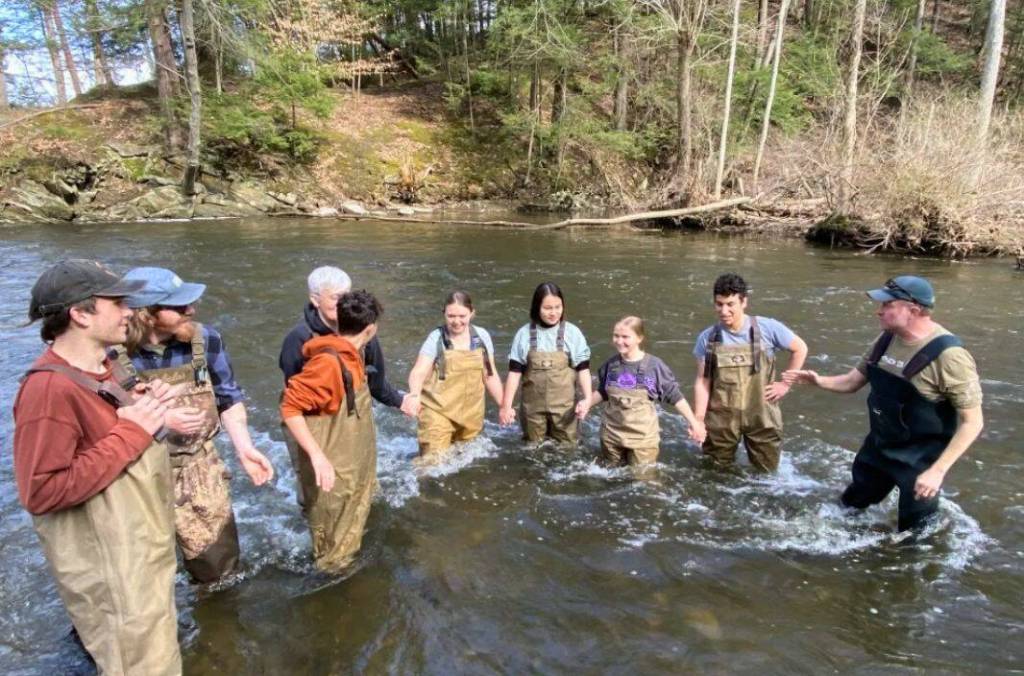
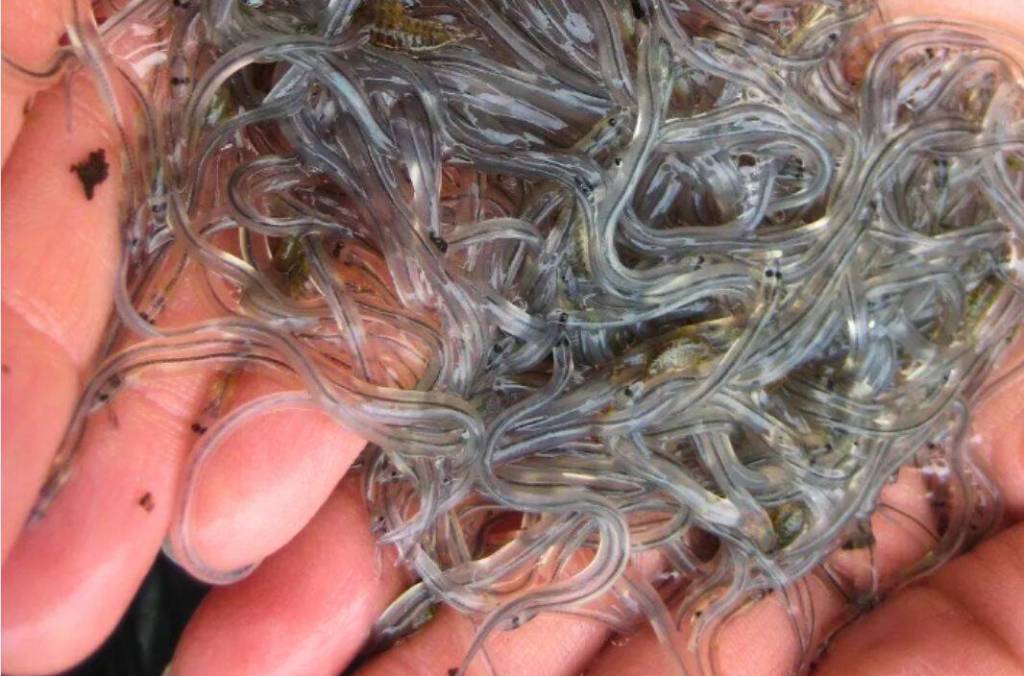
With a plan to major in Biology, Ford is focusing on ecology on the East Coast. This past year, he worked on The Hudson River Eel Project as a paid intern, where he helped count the number of young eels that make their way upstream from the Sargasso Sea, near Bermuda, to the tributaries of the Hudson River each spring.
The project, which first began in 2008, is run by the New York State Department of Environmental Conservation Hudson River Estuary Program and the Hudson River National Estuarine Research Reserve. Since it began, the project has expanded to engage roughly 1,000 volunteers each year in eel research, where they catch, count and release over one million glass eels.
The eels hatch in the Sargasso Sea and drift for months across the Atlantic before they arrive on the Eastern Seaboard as two-inch-long glass eels. The species has historically lacked sufficient data; the project is critical for tracking migration patterns, studying environmental impacts and helping the eels bypass dams and waterfalls.
“I hope to live in a world where my species respects and gives respect to what is real,” said Ford. “For me, going to college has expanded my curiosities and interests to the point where I don’t know what type of environmental work I plan on doing, but I believe I will be working in a relationship with the earth. Whether that is working with policy, research, restoration, conservation, outdoor education, marine biology or learning the ways of knowing so many of us have forgotten about, I don’t know. But I hope to find out.”
Best of Bainbridge
