Ferry woes keep adding up
Published 12:27 pm Saturday, April 26, 2008
The system works – up to a point, summit attendees agree.
For at least a brief moment Friday, outgoing Washington State Ferries Director Mike Anderson succeeded in focusing attention on what the ferry system still does well.
Remember, he told leaders gathered for the Puget Sound Leadership Ferry summit in Bremerton, that WSF is still one of the largest, safest and most dependable public ferry systems in the world.
“Sometimes it is easy to forget how good we are,” he said.
As the summit progressed, it was largely agreed that the WSF has done an admirable job of staying afloat so far. But like the Steel Electric vessels pulled from service in Port Townsend last month, it needs an emergency overhaul.
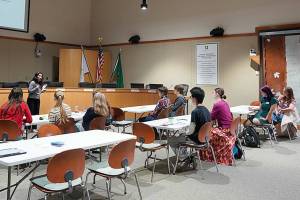
The summit, hosted by the Kitsap Regional Coordinating Council, was an effort to involve officials from all levels of government and citizen leaders from communities served by ferries in developing a plan that will make WSF more sustainable and effective.
After a morning of presentations, attendees worked in afternoon sessions to develop elements of a new plan for ferries. They shaped a new strategy that would focus on securing long-term funding, replacing aging vessels and facilities, and inviting greater public involvement.
Leaders said it was time to stop bailing WSF out with fare hikes and find new revenue sources at a state and federal level.
“We have got to find a more credible way to fund and stabilize this thing rather than doing it on a two-year, ad hoc basis,” said Congressman Norm Dicks (D-6th District).
As speakers cited over and over, WSF has struggled financially since Initiative 695 and then the state Legislature cut its funding by eliminating the motor vehicle excise tax in 1999.
Since then the agency has increasingly turned to passenger fares to maintain funding – resulting in a 43 percent fare increase, while the number of riders dropped by 10 percent over the same period.
A recently passed “Ferry Bill,” sponsored by state Rep. Christine Rolfes (D-Bainbridge Island) put a temporary freeze on fare increases, while a budget bill created two state task forces to to develop a long-term financing plan and draft a 16-year capital budget in 2008.
Bainbridge Island’s Martha Burke, chair of the executive committee of the citizen Ferry Advisory Committees, said customers are bearing too much of the funding burden and are willing to sacrifice luxury for lower fares. It costs the average walk-on passenger roughly $1,000 to commute on the ferry each year, she said.
“We don’t need all the bells and whistles,” she said. “But we do want on-time service with fares that are affordable.”
With consistent funding, WSF could begin replacing outdated ships and terminals.
The oldest WSF ships were built 80 years ago and over half the fleet is more than 30 years old, which means maintenance costs will only continue to rise.
Already, replacement parts for propulsion systems on older boats are handmade at the Eagle Harbor maintenance facility because the components have long been out of production.
This week, state officials recommended scrapping four aging vessels in the Steel Electric class serving the Port Townsend-Keystone run, possibly leaving those communities without vehicle ferry service for a year. The ferry hulls were found to be badly corroded during inspections, after being pulled from their runs in late November.
Work-session leaders recommended WSF consider replacing retiring boats with a greater variety of vessels, including more passenger ferries.
The refurbishment of terminals has also progressed slowly. A project to improve Seattle’s Colman Dock has been in development for 28 years and long awaited work on the Bainbridge Island ferry terminal finally began with trestle replacement in 2006.
Burke said the tumultuous mix of transit, cars and pedestrians at the terminal is a safety hazard that needs to be addressed.
“That’s the worst thing about that terminal,” Burke said. “It’s dangerous just getting off and on.”
Whether planning a financing scheme or deciding what new ships to construct, leaders at the summit urged WSF to seek public input, both locally and statewide.
They suggested raising awareness about the importance of the ferries to Washington’s coastal economy as a way of reaching out to landlocked neighbors in eastern Washington.
It was also recommended that the cooperative spirit of the summit be continued in by a regional advisory panel, which could channel the concerns of local leaders.
Bainbridge resident Debbi Lester said she just wanted WSF to ask for input on proposals sooner than it has in the past.
“We need community involvement right from the beginning,” she said. “Rather than the dog and pony show, selling us what they want to do.”