Parks approves $1.1 million turf field replacement at Battle Point
Published 1:30 am Wednesday, February 4, 2026
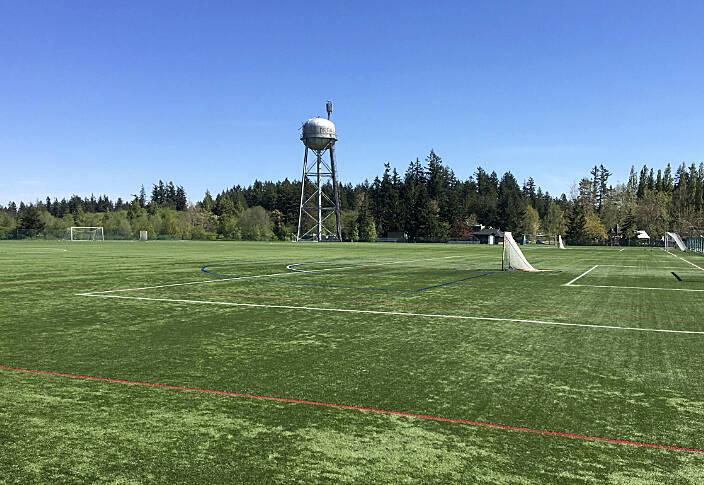
Projects both long- and short-term are on track at the Bainbridge Island Metro Park & Recreation District, as of the Jan. 22 board meeting.
Leaders heard updates on the replacement of turf material of two sports fields at Battle Point Park and the final stages of the district’s long-range Comprehensive Plan, which will shape the management of parks and recreation on the island for years to come.
Commissioners unanimously selected AstroTurf, the leading company in synthetic sports field grass, to refresh the existing two artificial fields at Battle Point Park for about $1.02 million, or about $1.12 million after sales tax.
Executive director Dan Hamlin noted the new fields will use cork infill rather than crumb rubber, a move that echoes the community discussion around the fields since their installation in 2005.
When the BI Youth Soccer Club first proposed to install artificial fields at the park, nearby community members voiced concerns about potential health hazards that could result from the materials used in the turf, as well as the impacts of field lighting on habitat quality and the area’s “rural character,” per a Bainbridge Review archival article.
At the time, one resident cited a study from Washington State University horticulturist Linda Chalker-Scott that showed heavy metals leached into the ground from the old tires used to create crumb rubber infill, which contaminated local soils, landscaped plants and aquatic ecosystems.
However, the effects of chemicals from turf fields on athletes are negligible, per a 2023 study commissioned jointly by the park district and school district from environmental consultant Dr. Michael Johns.
“Overall, the balance of the studies reviewed indicate that human health risks from playing on synthetic turf fields is minimal, even though low concentrations of some chemicals have been demonstrated to leach from the tire crumb, or volatilize as vapor,” wrote Dr. Johns in the report.
Crumb rubber is an industry standard, but organic alternatives like cork infill are becoming more popular as an environmentally-friendly choice. While both materials offer high levels of shock absorption for the comfort of athletes, they differ in quality, price and longevity, and each has its own health risks.
Cork is generally pricier than rubber, including higher costs upon installation and over the life of the field, per Sports Venue Calculator. The wood-based material is soft and ideal for recreational fields, the company says, and it has excellent cooling properties compared to turf or other synthetic materials. However, it absorbs water — which means the particles can migrate during heavy rains, grow mold, and freeze — and needs to be replaced every eight years or so.
Crumb rubber, on the other hand, is on the cheaper side of turf materials and can withstand up to 12 years of use. Certain types of the material, particularly the forms made of old tires, are linked to toxic chemical exposure, and the particles contribute to microplastic pollution in the environment.
The turf-replacement project remains within the District’s $1.2 million budget allocation, including contingency funds, park leaders said.
The Comprehensive Plan is in its final stages, with public viewing now available. Members of the public will have until Feb. 19 to submit comments on the future of island parks, but only comments submitted by Feb. 11 will be included in the official document in an appendix.