Utility rate discounts for low-income BI residents start in January
Published 1:30 am Monday, December 15, 2025
The Bainbridge Island City Council adopted an expansion to its discounted utility rate schedule at its Dec. 9 meeting, in an attempt to offset steep hikes planned for customers on the city’s water and sewer system over the next three years.
Starting in January, all BI residents making $65,000 per year or less will see utility rate discounts of at least 50%, capping out at 60% for those making $46,000 and below. The new program raises the annual income threshold for discounts by about $20,000 and expands the eligibility pool to anyone on the city utility services, not just seniors or disabled residents.
However, the discounts will only apply to those living in single-family residences, explained city finance director DeWayne Pitts.
For one, the city does not have the administrative capacity for such a billing structure: with over 2,600 water and sewer customers, including 115 multifamily complexes with over 1,700 units, it just isn’t feasible for the city’s singular employee dedicated to utility billing to maintain audit and legal compliance, said Pitts.
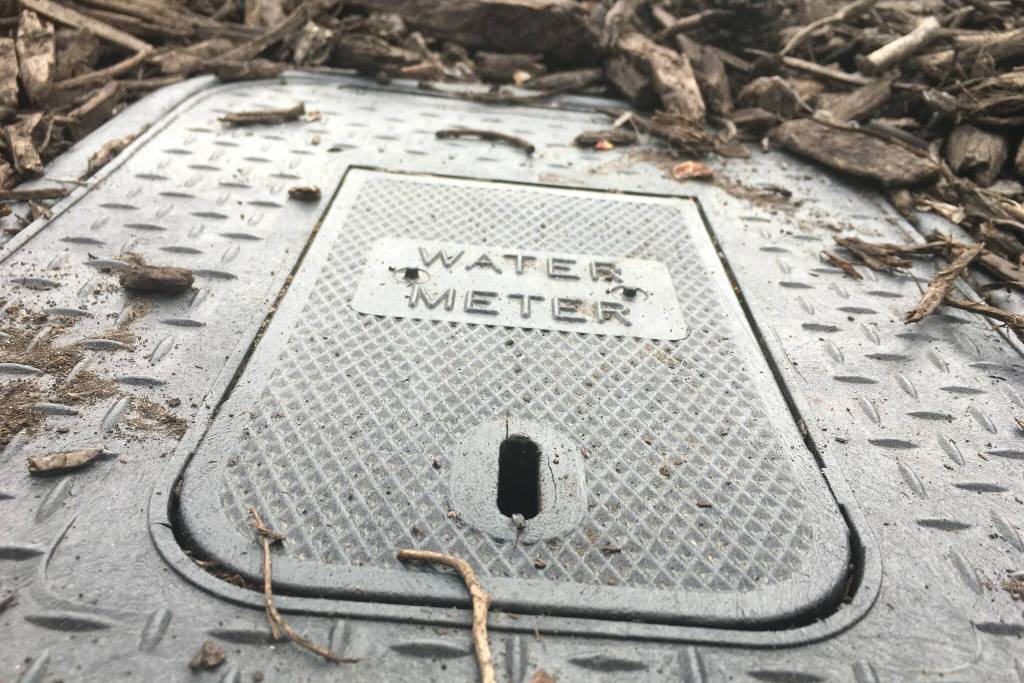
“The really good news is that staff has successfully implemented the new discount program for single-family customers with individual meters. Staff, however, is not able to implement the discounted rate structure for condominiums and cooperatives as written because the program relies on measuring water consumption through individual meters,” Pitts said during his presentation to council. “Most condominium and cooperative buildings have one shared water meter and one utility account for multiple units, so individual water consumption cannot be determined.”
In June, the city finalized a three-year plan to double utility rates in order to restore the dwindling Public Works Department’s capital projects fund. A study conducted by consultant group FCS in May found that the city had been undercharging customers for water, stormwater and sewer services for over a decade, in some years by as much as $44 per month — leaving Public Works out to dry when two major infrastructure projects came due.
Charging tenants for utilities in a multifamily building can look several different ways.
When buildings have units with individual meters, tenants pay for power, water, sewer and garbage themselves. In buildings without individual meters, owners may fold a flat rate of utilities into the cost of rent, or implement a Ratio Utility Billing System (RUBS), which divides the cost of utilities for the whole building amongst tenants based on unit size and number of occupants.
Pitts noted that under the current rate structure, multifamily structures like condominiums, cooperatives and apartment buildings already pay lower base-rate charges and lower water rates than single-family homes.
“It’s kind of an unfair perception — there are a lot of people who are in very nice condominium units, but they have pretty strict incomes,” said Councilmember Clarence Moriwaki. “We have to be conscious of that. Anything you can do to help all those who are living paycheck to paycheck, or Social Security check to Social Security check, and I think this is a real positive step to help that.”