
Día de los Muertos festivities continue to grow on BI
Published 1:30 am Friday, November 14, 2025
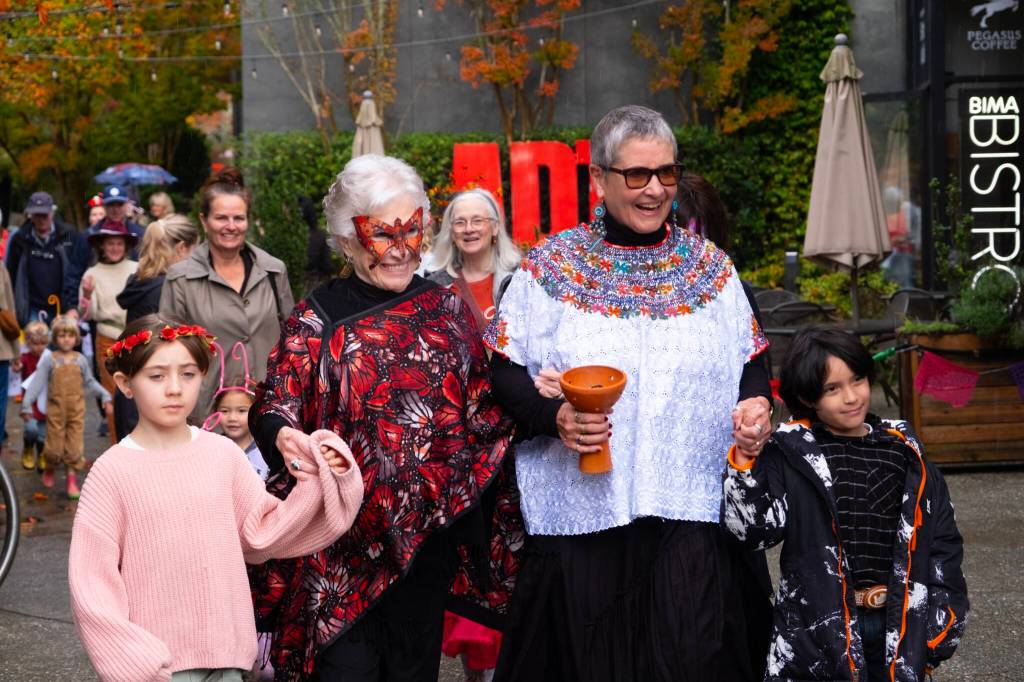
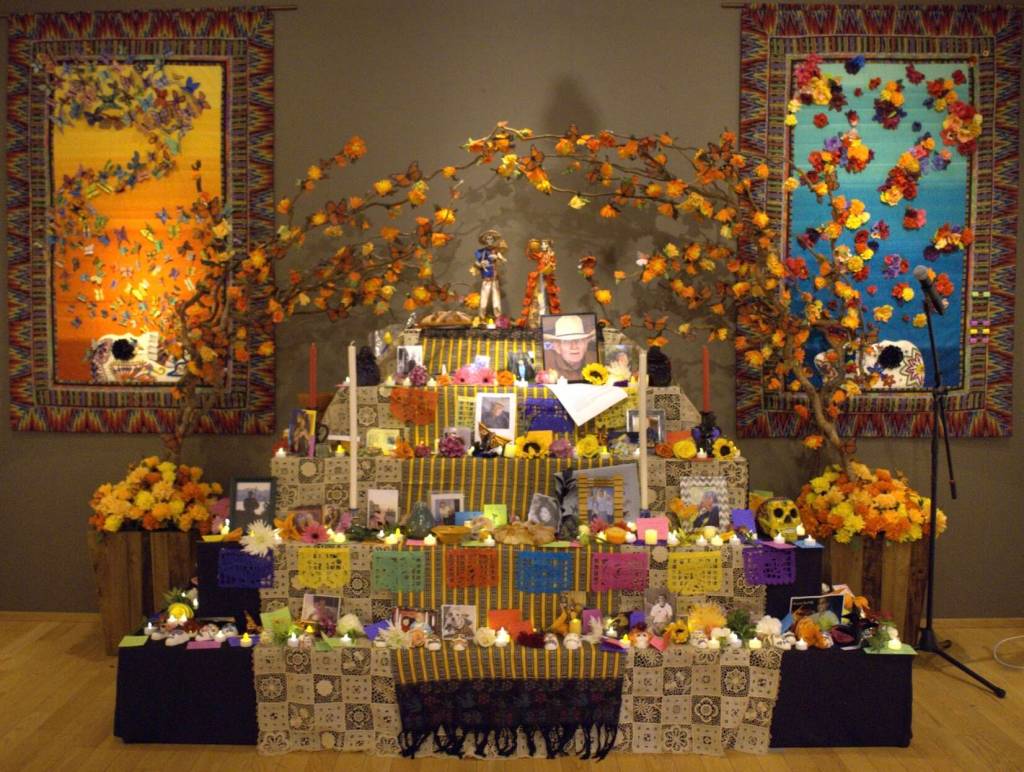

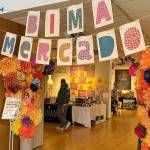
From its origins in Mexico to its adoption in a third-grade classroom, to a major institution on the island, Día de los Muertos (Day of the Dead) is a growing event on Bainbridge Island.
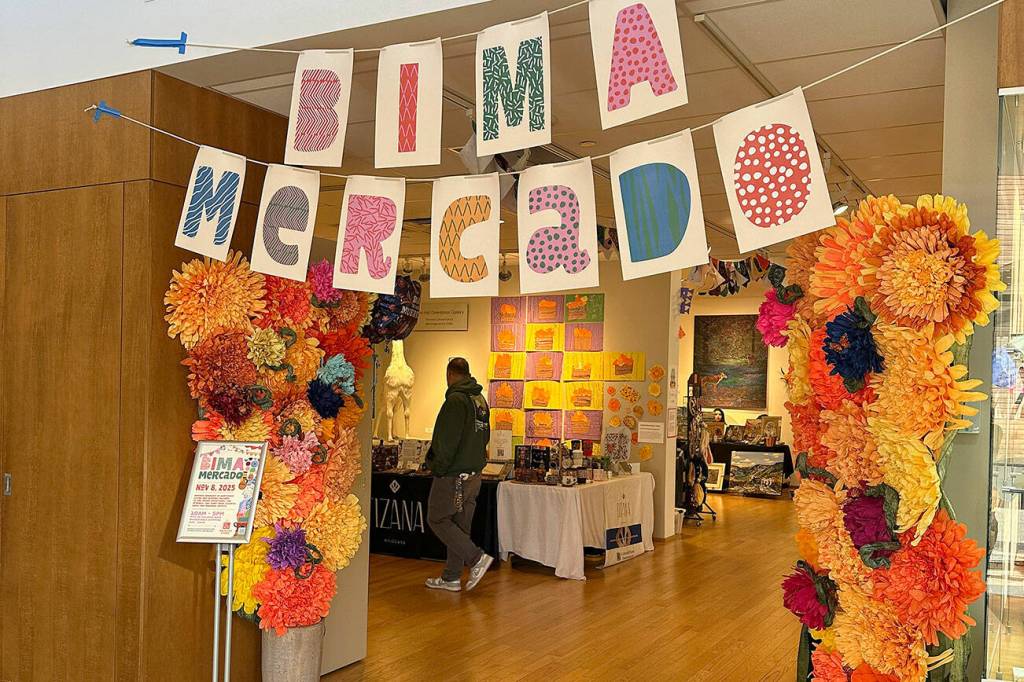
The Bainbridge Island Museum of Art hosted its first-ever Latino and Hispanic maker’s market Nov. 8 as part of the museum’s longtime programming celebrating Día de los Muertos.
About 11 artists from Kitsap, King and Jefferson County, all of Central or South American descent, offered services like facepainting and sold traditional and modern goods, including ceramics, textiles, jewelry, piñatas, prints, stickers, tea and wellness items.
The Mercado isn’t the first cultural event at the museum, nor is it the first market — but it is one of the museum’s first cultural markets.
While BIMA hosts seasonal events for artisans and vendors year-round, including its Summer and Winter Markets, and participates in cultural celebrations like the Asian Arts and Heritage Festival, the museum has had only two other events dedicated to small business owners: the Black Love Market, which occurs in February for Black Heritage Month and as a pop-up on First Fridays, and a Community Luau in May.
“I particularly loved all the ceramics. We had three different vendors that featured ceramics: Tizana Mexicana is a vendor who works directly with artisans in Mexico to ethically produce and ceramics and other goods that are imported here, and the Introverted Potter and Yo It’s Cake are both local ceramic vendors and artisans that are creating very fun and funky artwork, stuff that is a little more modern, a little less traditional,” said Jordan Reijnen, BIMA store manager and organizer of the event.
Reijnen said that she plans to organize an indigenous artist market over the summer to accompany the museum’s planned indigenous art exhibition.
She added that she appreciates that cultural markets at the museum can be learning experiences as well as an opportunity to support small businesses. For example, she learned from the piñata vendor at the Mercado that while the party favors are usually associated with birthdays, they are actually primarily used during Christmastime, she said.
“I think that’s what’s so fun about all of this, is that we all live here. We all have things to offer and to teach, ultimately, hopefully, to bring us all closer together, because this community is basically what we’ve got,” said Reijnen.
At the Mercado, Alice Mendoza, founder of BIMA’s Day of the Dead celebration, sold silver jewelry made by a Mexican artist that she met once in Seattle, near Pike Place. In honor of the woman and of the spirit of the event, Mendoza donated all proceeds from sales to the Kitsap Immigration Assistance Center in Bremerton, earmarked to purchase car seats for families with newborn babies.
Mendoza was the first teacher at the Bainbridge Island School District to add the celebration to her curriculum, and said that watching the event grow and expand beyond her third-grade classroom at x̌alilc (Halilts) Elementary has been a heartwarming experience.
It began when a colleague lent her a video of a documentary exploring the Día de los Muertos traditions in Oaxaca. She showed it to her third-grade class, and to her surprise, then-student Adam Foley — now a real estate agent on BI — asked if they could have their own version of the celebration.
“The class unanimously jumped on board with that, and these are eight- and nine-year-olds. They insisted that we watch it again so they could take notes to make sure that we have everything we need to have our own authentic…celebration,” Mendoza said. “Every year I showed the video, and every year it was up to them to recommit, and they always did, no hesitation.”
When Mendoza retired from teaching in 2015, she planned on sunsetting the program, but BIMA founder Cynthia Sears, a friend of Mendoza, had other plans.
Over lunch, Sears asked Mendoza to bring the event to BIMA, including a decorated community ofrenda with images of deceased loved ones, cakes and other cultural confections like pan de muerto, and a procession of the butterflies, which signify the souls of people coming to visit the world of the living.
From a single room in the museum, the event has grown to occupy the entire downstairs of the museum, Mendoza said.
“It means a lot to the community for them to be able to experience the cycle of life through a different cultural lens. I know we all go through a grieving period when we lose a pet or a person, and we usually do it with our families and friends. But in this way, what we see is a community coming together, regardless of their backgrounds, to grieve together,” said Mendoza. “Even though this is a happy celebration in Mexico, death is part of the cycle of life […] Yes, it’s death, but believing that the spirits are coming home on the wings of butterflies for a visit, it unites us.”



Best of Bainbridge
