Ray Williamson Pool renovation drains parks budget
Published 1:30 am Wednesday, October 22, 2025
An incoming La Niña year spells a stormy winter for the Pacific Northwest — and the 2026 budget forecast for the Bainbridge Island Metro Parks and Recreation District looks similar.
Parks commissioners held a budget work session for the coming year at a special board meeting Oct. 2.
Higher-than-expected expenses for capital projects and continued need for facility upgrades will push the park district’s general fund balance down to a relatively slim $4 million in reserves at the end of 2026 — the lowest amount staff are comfortable with.
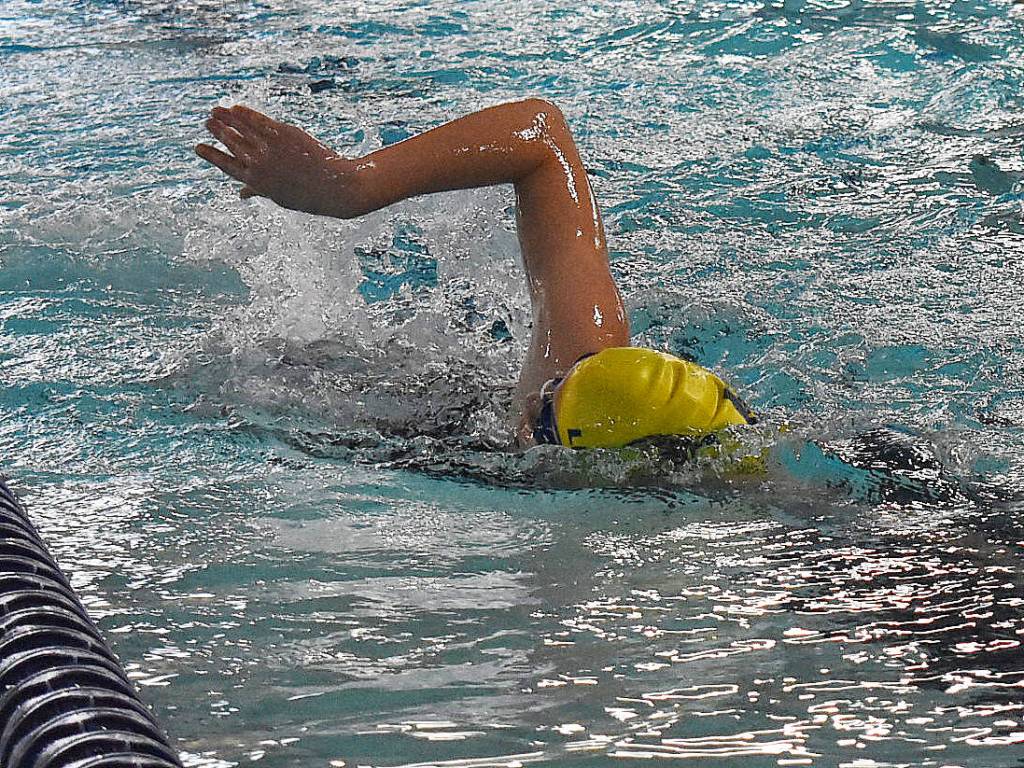
A large part of the strain will come from the second phase of the Ray Williamson Pool renovation. Parks leaders opted to pay for the project out of the general fund, rather than through a loan, but federal tariffs on raw materials and additional drain work necessary for the project have raised the estimated budget by about $1 million.
Parks staff noted that the year-end $4 million fund balance in 2026 assumes no significant changes to the scope of the project, due to conditions discovered during construction.
“Even though not taking out a loan, as was previously discussed, will pull the park district’s reserves down, it does not make sense to borrow money just to keep money in reserves,” said Parks Commissioner Jay Kinney at the special meeting. “If it becomes necessary, the district can get a loan for the amount necessary at that time.”
Some parks staff noted that completing large capital projects won’t be as simple in the near future.
Executive director Dan Hamlin and assistant executive director Amy Swenson each cautioned the parks board that starting in 2028, the district would no longer be able to collect annual tax revenue increases in step with inflation, currently 3%. Instead, it will revert to the statutory limit of 1%.
Swenson recommended that the district reserve funds not dip below $4 million “to ensure the district does not have to take out a line of credit to pay for operations and payroll until tax funding is collected.
“Capital Improvement Fund funding will likely become more limited at that time to preserve staffing levels so that the levels of service to the community are maintained,” said Swenson. “One way the district has been able to manage its growth is by increasing efficiencies to keep expenses down.”
Before deciding to pay out-of-pocket, the parks district sought funding for updates to the Ray Williamson Pool in other ways.
In 2024, while preparing to undertake the project, the park district proposed a $10 million bond to voters that would add new amenities to the Ray Williamson pool on top of the scheduled updates.
While the district had laid out about $5.8 million for safety improvements and infrastructure replacements in both reserve funding and loans, the bond would have allowed the district to widen the pool to eight lanes and deepen it to six and a half feet — but voters turned it down in August 2024.
Now underway, the first phase of the renovation project wrapped up in May 2025, within budget and on schedule.
The first phase focused on the dry areas of the facility: the staff break room, offices, storage area, locker room, roof, HVAC system, lobby, natatorium windows, fire safety sprinklers and plumbing were all updated. The second phase, beginning in March 2026, will tackle the pool, including a deck replacement, new pool liner and new filtration system.
“Change-order costs staying within the contingency [for the first phase] is good, because it shows good planning,” said Parks Commissioner Tom Swolgaard.
In 2025, the district accomplished five capital projects and has five other projects that are currently in progress. Some projects are scheduled to be completed by the end of the year, whereas others will be done in 2026.
The Strawberry Hill Bike Park, the picnic shelter roof at Eagledale Park, tennis court resurfacing [at Strawberry Hill,] the new tennis courts at Sakai Park and the staircase for the slide at the Don Nakata Pool were all marked as completed this year.
Projects currently underway are conversion of the tennis courts at Battle Point Park to pickleball courts, improvements to the skate park at Strawberry Hill Park, the replacement septic system for the restrooms near the KidsUp! playground at Battle Point Park, the recoating of the Don Nakata Pool slide and the renovation of the Ray Williamson Pool.
In 2026, the district hopes to add accessibility improvements to trails and other facilities, refresh its ballfields and courts, replace the roof of the Eagledale Pottery Studio, add a heat pump to the Strawberry Hill Administrative Center and finish phase two of the Ray Williamson Pool Renovation.
A few additional projects funded by donations or grants are also on the horizon next year: the new visitor center at the Japanese American Exclusion Memorial, the replacement sail float, new charging stations for electric vehicles in parks, and trail improvements.
With several large capital projects budgeted for the next year, other small projects have been pushed out to 2027 and beyond. Updates to the house in Cave Family Heritage Park, new roofs for the transmitter building and Seabold Hall, parking lot improvements for the Grand Forest, the heating system for Island Center Hall, more updates to Sakai Park, and a dedicated office space for recreation staff will all have to wait.
“The Bainbridge Island Recreation Center, where recreation staff work currently, is a busy public facility. A dedicated office space for recreation staff would be more conducive for office work requiring focus and communication between staff members; it would also free up additional parking for BIRC members,” said parks procurement administrator Michelle Miller.