Farm to School program at BISD to continue to grow
Published 1:30 am Wednesday, October 22, 2025
Bainbridge Island School District leaders heard an update from its Farm to School program at the school board meeting Oct. 9, including the announcement of a few grants.
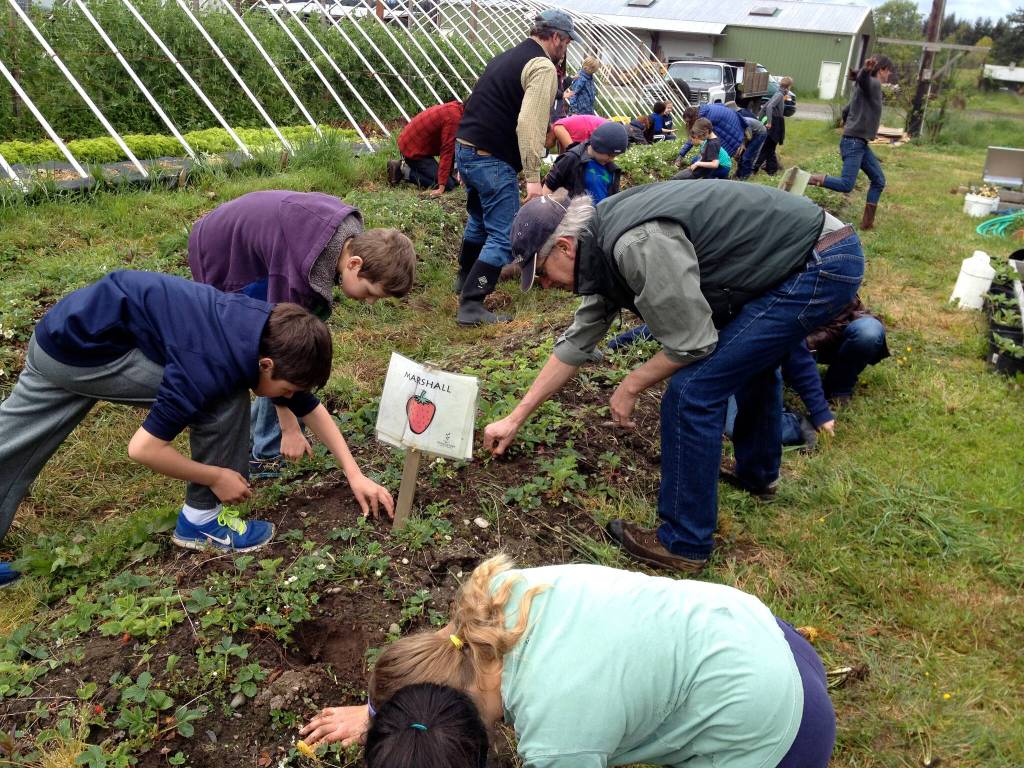
Program leaders Erica Curry, agriculture educator, and Jason Sacho, school nutrition manager, explained what makes up the Farm to School program, from school gardens to school lunches to career training, and reviewed its goals for the coming school year.
“When school meals are produced sustainably, they taste great, and are nutritious, and support the local economy. Everybody wins. Farm to School enriches the connection communities have with fresh, healthy food and local food producers by changing food purchasing and education practices at schools,” said Sacho. “Students gain access to healthy, local foods, as well as education opportunities, such as school gardens, cooking lessons and farm trips. Farm to School empowers children and their families to make informed food choices while strengthening the local economy and contributing to vibrant communities.”
Bringing agriculture and cultivation back to students is a growing national movement, said Sacho. While there’s no one set curriculum, about 65% of schools in the U.S. contain a version of the Farm to School program, with about 543,000 students in Washington state alone participating in one. With policies encouraging Farm to School programs at the legislative level, the number of school gardens in the state has grown from 96 to 304 since 2015, Sacho added.
At BISD, the interest in agriculture has become a point of professional development as well: in 2024, the district was selected among a pool of applicants from Oregon and Washington to become part of a Farm to School Institute in the Pacific Northwest. Staff members from BISD were able to attend a year-long training program to learn about farming and nutrition.
“The most successful programs are not add-ons, and they’re not separate programs that are outside of the regular curriculum, policies, and systems of a school,” said Curry. “It’s not something new or separate that we’re bringing to the school district. It’s integrated throughout school culture.”
Despite losing a crucial source of funding — the Patrick Lahey grant, ranging from $100,000 to $500,000 — the Farm to School program is still able to function by collaborating with local organizations and fundraising. In the last six months to one year, the program has won about $13,000 in grants from the state for the coming year.
Over the next school year, one of the program’s biggest goals is increasing participation for the school food program. Lunches and snacks are made from scratch, and use locally sourced ingredients when possible.
Participation has gone up consistently since 2023, Sacho explained, which is good news even if the program leaders aren’t certain what’s driving interest.
“We think it’s due to the exciting elements of the program we’re creating in the kitchens, as well as the Farm to School program,” Sacho said. “We roll out recipes, we have these taste tests, we have a harvest of the month. This month it’s apples — yesterday, we handed out apples to all the students who wanted them, all at the same time.”