
Kitsap community helps raise funds for child’s seizure alert dog
Published 1:30 am Wednesday, September 24, 2025
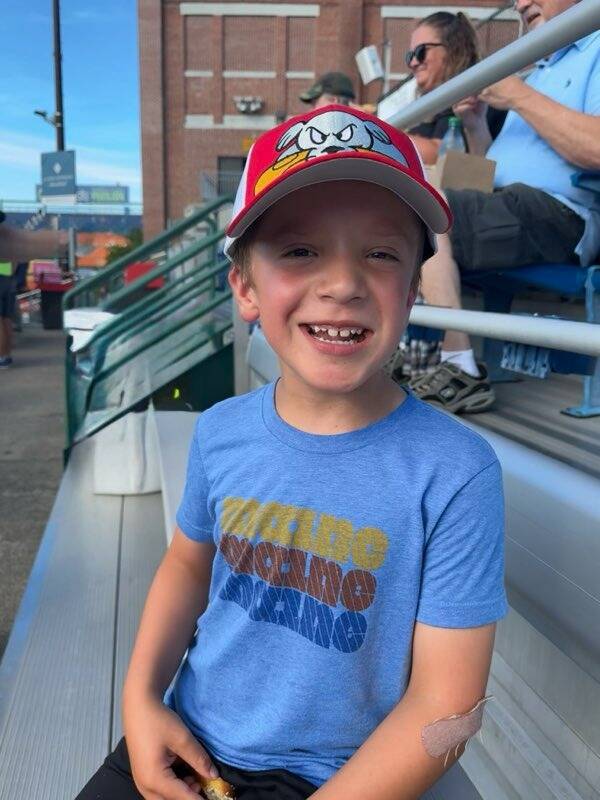
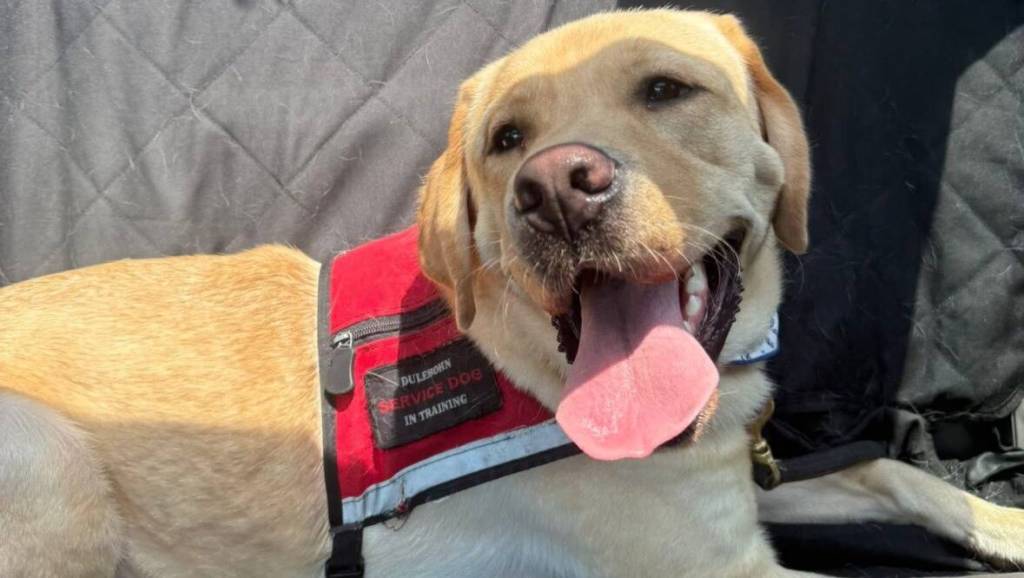

The Kitsap community raised over $29,000 to cover the expenses of a medical alert dog for Calvin Dugas, a fourth grader who suffers from a rare genetic condition that makes him prone to dangerous hour-long seizures.
Bob Barbo, a distance runner and Bainbridge Island resident, organized the fundraiser on behalf of the Dugas family, his colleagues and “dear friends.”
“Many of you know Calvin — always smiling, quick to say hello, full of energy, humor, and joy — and always (always!) on a walk or bike ride around town. Becky and Steve (Calvin’s parents) aren’t ones to ever ask for help, and are regularly seen volunteering, usually from one sideline or another, or supporting colleagues and friends in need,” said Barbo. “Because my wife and I live across the country from the Dugas family, we can’t be there to offer direct support. This fundraiser is a meaningful way we can help—by joining together with others to give Calvin the protection, independence, and peace of mind that a trained seizure-detecting service dog can provide.”
Calvin has struggled with Koolen-deVries Syndrome since he was a baby, a very rare condition caused by a deletion of genes on the 17th chromosome. While children with KdVS are often cheerful and friendly, they often experience heart, bladder or kidney abnormalities, scoliosis, cyclic vomiting, weak muscle tone and seizures.
The seizures occur in his sleep, and Calvin can lose consciousness for up to an hour, which is always a medical emergency. It can be terrifying, recalled Calvin’s parent, Rebecca Dugas.
“I woke to Calvin’s irregular breathing and found him having a convulsive seizure. We administered his rescue medication and called 911. Calvin’s seizure persisted, and his breathing stopped multiple times as we waited for the ambulance,” she said. “Calvin was still convulsing and struggling to breathe when we arrived at the hospital. A trauma team met at the door and administered additional anti-epileptic drugs to finally stop the seizure; best-guess is the seizure lasted at least one hour. Exhausted and heavily medicated, Calvin needed extensive breathing support and was moved to the pediatric ICU for monitoring. By 6 a.m., Calvin woke groggy and progressed throughout the day to stumbling around the ward, greeting others.”
Getting paired with a service dog can take anywhere between a few months to several years, depending on the type of need. Cost is also a hurdle: a dog from an accredited organization can cost about $25,000. Additional funds from the GoFundMe will be sent to the KdVS Foundation.
What initially looked like an 18-month process for the Dugas family is now a three-month wait. Calvin was matched with a service dog in Ohio that can meet his needs and temperament — “A.k.a., he needs the Energizer Bunny,” said Rebecca Dugas.
The Dugas family will meet the dog in December.
“Thank you, thank you, thank you for making this dream a reality for Calvin and our family. We’re hopeful for brighter days, perhaps even restful sleep and fewer emergency hospital stays,” said Rebecca Dugas. “We’re beyond grateful (and still pinching ourselves!) and can’t wait to introduce you to what’s sure to be a dynamic duo.”



Best of Bainbridge