
BIJAEM Visitor Center construction planned for late summer
Published 1:30 am Wednesday, April 23, 2025
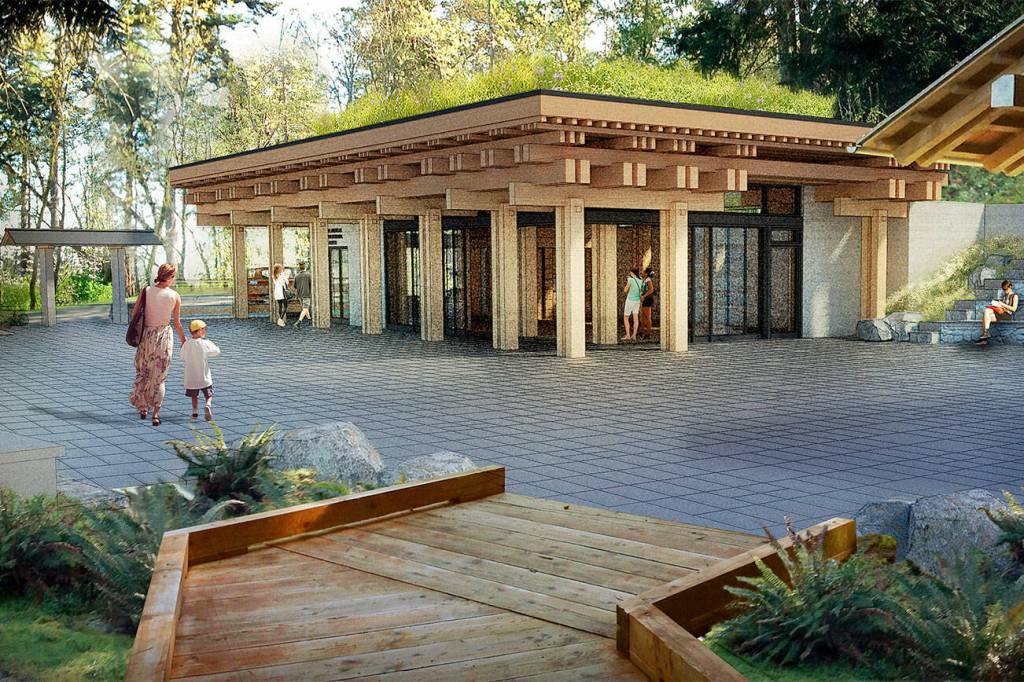
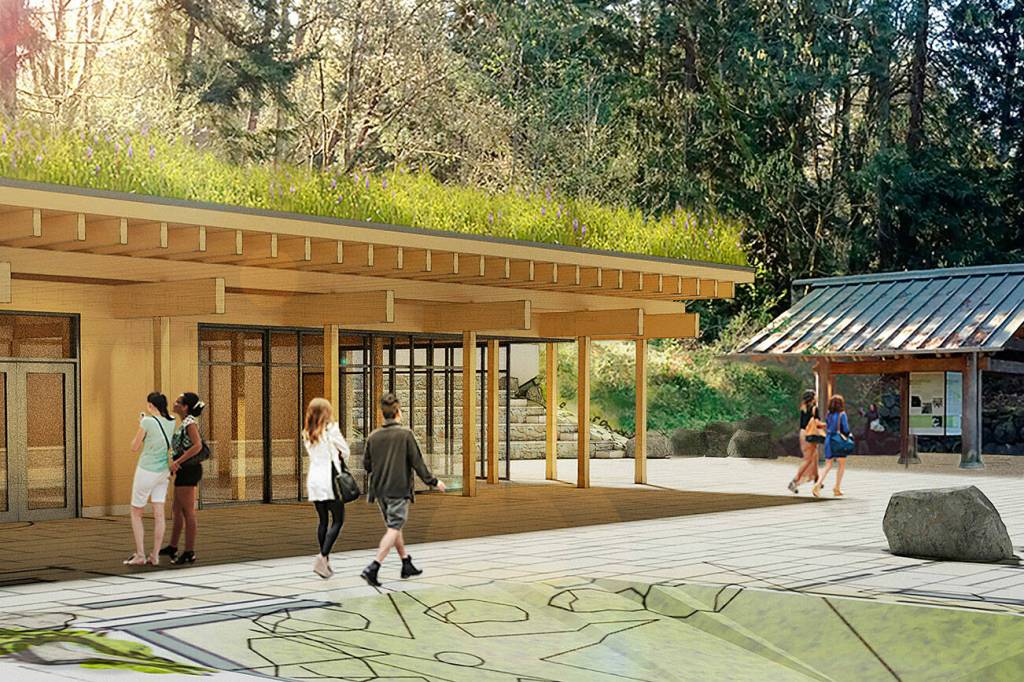
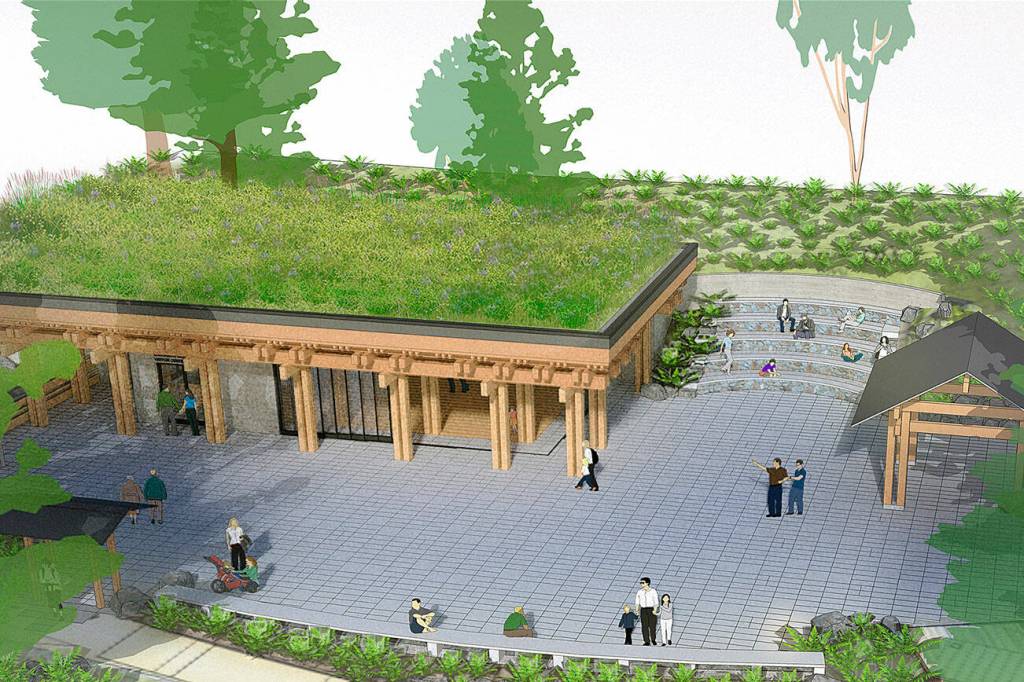

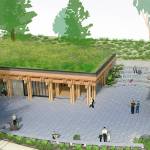
Delays that have plagued the new visitor center at the Japanese American Exclusion Memorial on Bainbridge Island may be coming to an end.
The primary delay has been an extension to a water source that would allow flow pressure to fire hydrants and for potable water onsite. “That added a million dollars to our budget,” said Ellen Sato Faust, executive director of the BI Japanese American Exclusion Memorial Association. “We’ve known about that for about a year, but they’re finally putting that project out to bid. So that’s some movement.”
BI city manager Blair King said: “You’d think it would be easier, but it’s not. There is a water well on the site, but it’s raw water, and it would have to have been treated.”
Last June the City Council entered into an agreement to bid and install a water line on behalf of the memorial, with the memorial paying for a majority of the cost, and the city paying the rest, along with help from state funding, King said.
The water line is at the intersection of Old Creosote Road and Eagle Harbor Drive. King said the bid will be awarded around May 13, and construction should begin in the latter part of this summer.
King said that things should move forward now that the water issue is solved. “It’s the first step to get the whole project moving.”
Faust said that she’s still waiting on clarification about when construction will begin on the center itself, but added the primary hurdle has been water. “We’ve had the building plans, architecture and engineering done for a long time,” she said. “We’ve made some tweaks in the meantime, but our bidding team will put it out for consideration within the next six weeks or so.”
There is uncertainty as to building timelines and when the project will be completed, owed largely to not knowing whether the health department will supply a building permit during construction of the water line or after it is completed.
The memorial itself is an administrative unit of the Minidoka National Historic site in Idaho, not owned by the National Park Service. “Minidoka was the concentration camp where most of the islanders spent their time during World War II,” Faust said. “We are privately owned, and the Exclusion Memorial Association…actually raises all the money and builds the improvements on the site.
The land is owned by the BI Metro Parks and Recreation District, and the NPS provides an interpretive ranger seasonally.
The partnership has worked well enough that the memorial’s reach as a tourist destination continues to grow. The Association says that more than 20,000 people visit each year and that around 2,000 are with guided tours.
“The community embraces the memorial, and we honor what this represents,” King said. “The city is proud to be able to work with the private board, and the visitor center will be a piece of the overall story that’s told there and allow people to really understand what occurred there.”



Best of Bainbridge