
Wildfire mitigation report shows 27 vegetation fires on BI last year
Published 1:30 am Wednesday, March 26, 2025
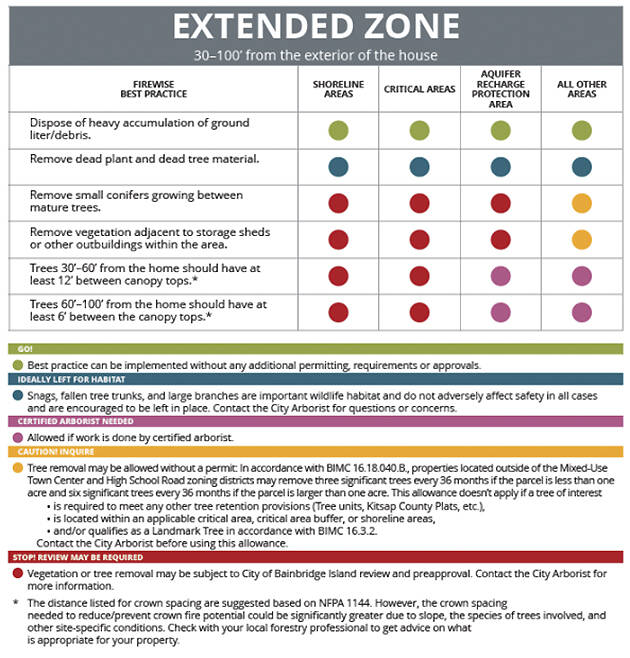
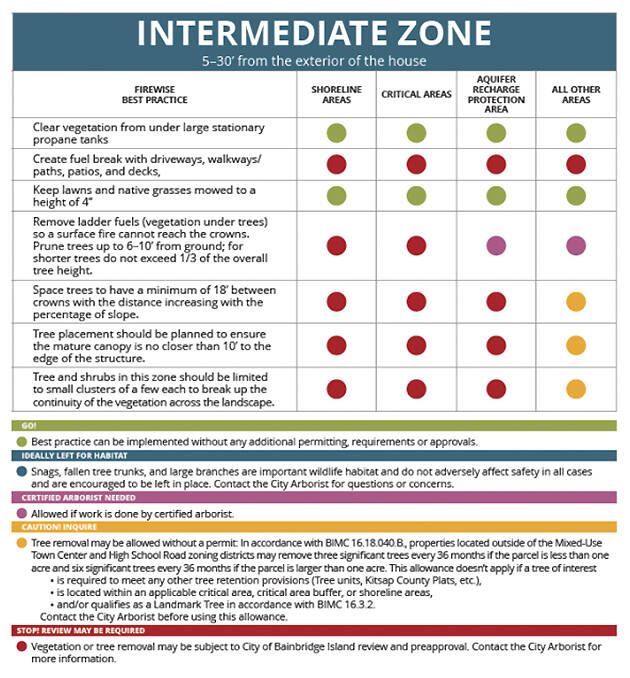
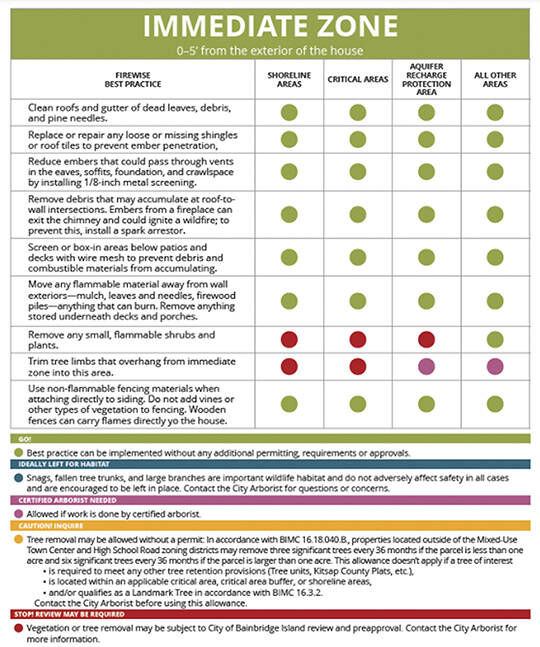
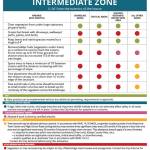
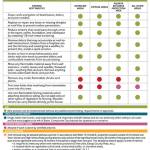
The Bainbridge Island City Council discussed a report at its March 18 meeting on wildfire risk mitigation by fire chief Jared Moravec, which indicates vegetation fires on BI increased from nine in 2021 to 27 last year.
The report highlighted that roughly 50% of the island has fire hydrant coverage, which is a contributing factor to fire loss on Bainbridge. Moravec encouraged additional evaluation to provide more robust coverage.
Discussion around the need for additional fire hydrants predates his 17 years with the BI fire department, Moravec wrote.
The city has 379 fire hydrants. Moravec said BIFD knows the locations of fire hydrants and completes maintenance as time allows. In 2024, BIFD responded to 3,913 calls. 68% percent of the calls were medical in nature, with the remaining 32% including fires and other types of emergencies, he said.
In 2010, BIFD developed a wildfire protection plan, which was updated in 2022 and is available on the agency’s website.
“We first developed that plan in 2010 when wildfire really wasn’t on anybody’s radar. But as time has gone by, there’s been a lot more discussion with respect to climate change,” he said. “It’s obviously become a topic that is at the forefront of a lot of people’s minds, especially us at the department.”
Regarding fire prevention, COBI first adopted a climate action plan in 2020, which included fire prevention design recommendations. Progress reports are periodically released, with no current updates as of March 2025, Shannon Hayes, COBI communications coordinator, wrote in an email.
The city’s Firewise charts show what people should do to be safe, such as cleaning roofs and gutters of dead leaves, debris, and pine needles. Mitigation measures include clearing the area around structures and using ignition-resistant construction.
REAC updates
For 2025, the Racial Equity Advisory Committee plans to continue many of its efforts and also: initiate discussions on national issues; guide the council through policy decisions using a racial equity lens; initiate events to help the public respond to hate behavior; expand REAC members to include those off-island with significant ties to the community; and support the council’s commitments to immigration and community safety.
“We are going to continue to encourage the council to consistently apply the Equity Toolkit to policy decisions, and we once again invite you to call upon REAC for any guidance in using it this coming year and hopefully for many years to come,” said Olivia Hall, co-chair of REAC.
In 2024, the REAC worked with the city’s Equity and Inclusion manager, organized workshops with the council, helped plan and support Indigenous Peoples Day, MLK Day, and the Juneteenth celebrations, provided feedback on the Racial Equity Toolkit, gave input on Winslow Subarea and Comprehensive plans for outreach, responded to community instances of racism and bias both publicly and personally, and more.
“Speaking for myself, and I know this, my colleagues all feel the same way: We are not backing down on equity—not this council, not the city,” Councilmember Joe Deets said. “We support the Racial Equity Advisory Committee, support our equity manager. Unlike some other jurisdictions that have waffled, we are not going to waffle— not here on Bainbridge.”
Ethics Board
For the Ethics Board, the main change last year was that City Council and advisory group members now receive ethics training. The work plan includes: filling three positions on the board that expire in June, being available to answer questions about ethics for city committees, increasing public exposure to the program by participating in community events, and using the ethics program as an educational resource to provide government transparency and obtain public trust.
Since 2006, COBI has adopted an ethics program. The council has amended the program over the years, with the most recent amendment enacted in 2020, per Hays.