
Superfund cleanup on BI could be affected by EPA cuts
Published 1:30 am Wednesday, February 26, 2025
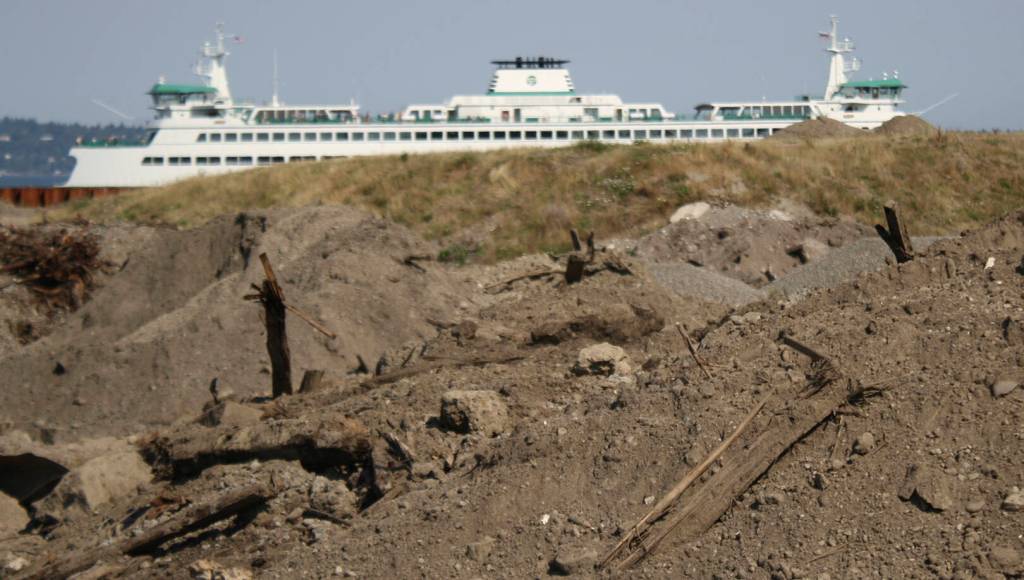
While government-funded entities scramble to sustain their programs in the midst of dozens of employees being laid off under the Trump administration, the specter of progress on one Bainbridge Island project looms large: the Wyckoff Superfund site.
Millions of dollars recently awarded to the Wyckoff cleanup project could be imperiled by President Donald Trump’s Jan. 20 executive order to “immediately pause the disbursement of funds” from any projects associated with former President Joe Biden’s “Green New Deal” — though it’s still unclear if the freeze will take effect permanently.
A former creosote plant at the south end of Eagle Harbor, the Wyckoff site contains over 650,000 gallons of toxic chemicals. Cleanup efforts like soil solidification and a retaining wall prevent the toxins from leaching into Puget Sound and the island’s aquifers.
The project, led by the federal Environmental Protection Agency, has been ongoing since the 1980s, and $80 million from the Biden-Harris administration’s Bipartisan Infrastructure Law in September would kick restoration efforts into high gear.
“When many folks think about investing in our infrastructure, they think about building new roads and bridges and ferries,” said former U.S. Rep. Derek Kilmer of the state’s 6th congressional district at a press conference for the funding award. “While those projects get a lot of attention, a lot of folks here today fought to ensure that the [law] also included substantial investment in environmental remediation at Superfund sites—making it one of the largest investments in American history to address the legacy pollution that harms the public health of communities and neighborhoods like Bainbridge Island.”
Molly Vaseliou, EPA spokesperson, said that Trump-appointed EPA administrator Lee Zeldin “has been very clear about his commitment to the agency’s mission of protecting human health and the environment. This administration remains committed to this, as well as to ensuring emergency response efforts are helping Americans get back on their feet in the quickest and safest way possible,” said Vaseliou in a written statement.
Vaseliou added that Trump’s first administration deleted 82 sites from the Superfund National Priorities List — more than the Obama administration, and the most in a single year since 2005. Superfund sites on the NPL are considered the most serious and typically pose a relatively high risk to public or environmental health.
However, former Ohio prosecutor Michael Blumenthal disagreed with Vaseliou.
A 2019 Superfund Progress Report shows that while the NPL shrank during the first Trump administration, the backlog of Superfund cleanups grew, and “the number of sites officially deleted from the roster of more than 1,300 Superfund projects reached a more than 30-year low,” said Blumenthal.
Trump’s focus on deregulation could also be trouble for long-term environmental goals, he added.
“Trump’s environmental policy was characterized by widespread regulatory rollbacks, many of which intersected with the Superfund program. The administration also saw a decline in enforcement actions, with fewer lawsuits and penalties imposed on polluters compared to previous administrations,” said Blumenthal. “A second Trump term would likely focus on further deregulation. This could weaken the legal and regulatory framework underpinning Superfund site cleanups. For example, loosening groundwater and soil contamination standards might reduce remediation costs but at the potential expense of public health and environmental integrity.”