
BI Council approves Groundwater Management Plan
Published 1:30 am Friday, June 26, 2026
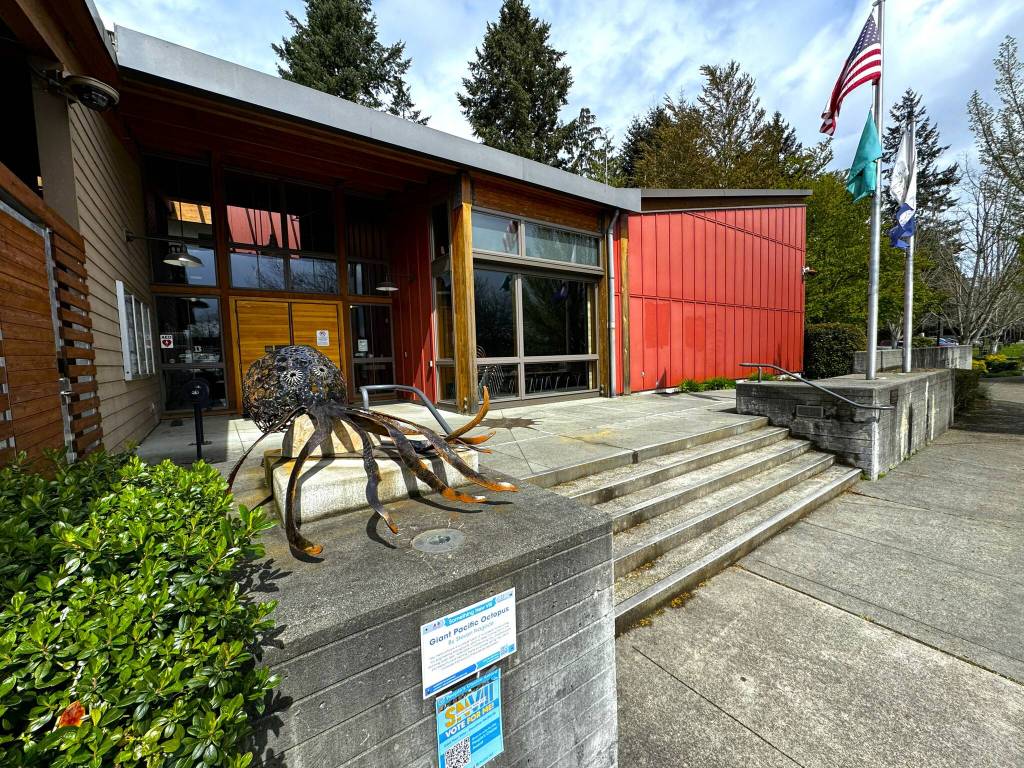
After years of planning and feedback, the Bainbridge Island City Council approved the Groundwater Management Plan at its June 23 meeting.
Between December and April, city staff worked alongside consulting firm Keta Waters, LP, to complete the final GWMP. The findings indicate that the city is not currently in a groundwater crisis, and if managed responsibly, the island’s water supply is secure for the 20-year planning horizon.
GMP manager and water resources specialist Christian Berg gave a presentation to council addressing the priorities in the plan. Priorities to ensure sustainability include maintaining and increasing groundwater recharge to benefit streams, reducing water use per person to prevent seawater intrusion and reduce strain on water systems, and lastly, monitoring aquifer conditions thoroughly.
“The GWMP is all about balance,” said Berg. “Federal, city and state partners have been working to understand the balance of the groundwater system. The goals have shifted over the years, and in this plan, we have a set of goals city council approved. We are confident we can achieve those goals with the right resources and dedication.”
Some of the conservation actions shared in the plan include considering a rebate program for turf removal, which would be replaced with native or drought-tolerant plants. Other actions include irrigation system tune-ups and efficient and weather-sensitive irrigation components.
“There is opportunity on the island for conservation,” said Berg. “We learned through analysis of water systems, some of the largest users are on the island. It becomes clear that outdoor irrigation is really the culprit in the summer, and where the biggest change can be made.”
Due to intense rainstorms in the area, a goal to protect and increase recharge was also shared in the plan. These actions would be to consider a rebate program for residential rain gardens and rain barrels as well as consider designing and implementing municipal managed aquifer recharge projects.
Monitoring is an essential part of the GWMP, Berg shared, with an emphasis on enhanced monitoring for well and stream levels. This would include seeking more data on water use through voluntary water metering and creating a dashboard to share data. “We want real-time data and better transparency for the public to access,” said Berg.
The plan shares that the current usage could be sustainable or unsustainable, depending on what the actual values are for sustainable yield and current use. Because these actual values cannot be known with certainty, it is not possible to say definitively if the current usage is sustainable or unsustainable, shared Berg. If all allowable water from permitted water rights and approximately 1,700 private well allowances were put to use, then usage would almost certainly exceed sustainable yield.
In modeling scenarios that reflect anticipated future conditions, groundwater levels remained above sea level in the aquifer system for those scenarios with pumping that was less than 1.5 times current rates. Groundwater levels fell below sea level in some aquifers for scenarios with pumping that was twice as much as current rates. Groundwater levels that remain below sea level will eventually result in saltwater intrusion.
A handful of Bainbridge Island residents shared their thoughts on the GWMP during public comment at the June 23 meeting. A common theme of appreciation for the city rang through each comment, with a push for careful planning and monitoring of the plan.
“I’m delighted to see the adoption of the GWMP on the agenda tonight,” said Benjamin Harrison, a resident of Rolling Bay. “The plan does discuss some uncertainty of climate impacts, uncertainty of geology and what we humans will do. In many of these cases, our best approach to resolve that uncertainty is to monitor and adapt to the changes we observe. The plan needs your support to revise it as conditions change in the future.”
In 2022, the city began to develop the GWMP with an in-house hydrogeologist. The city desired to take an island-wide approach to understanding and managing groundwater resources, utilizing the plan as needs change.
In 2023, the city hired a consulting firm, EA Engineering, to continue to develop the GWMP. With the Groundwater Management Sub-Committee, city staff completed the first draft of the plan in April of 2025. The second draft was presented to city council in July of 2025, following a public engagement process. Keta Waters also performed a peer review of the second draft of the plan, which was presented to council in October. From then, a water budget analysis and steady state groundwater model analysis were performed by Keta Waters in early December.
No direct fiscal impacts will result from the adoption of the GWMP. The plan does not include a preliminary cost estimate for the list of recommended actions that are intended to be carried out. However, specific budget requests will be considered by city council at future meetings.



Best of Bainbridge