
A peek inside WSF’s Eagle Harbor Maintenance Facility
Published 1:30 am Wednesday, April 22, 2026
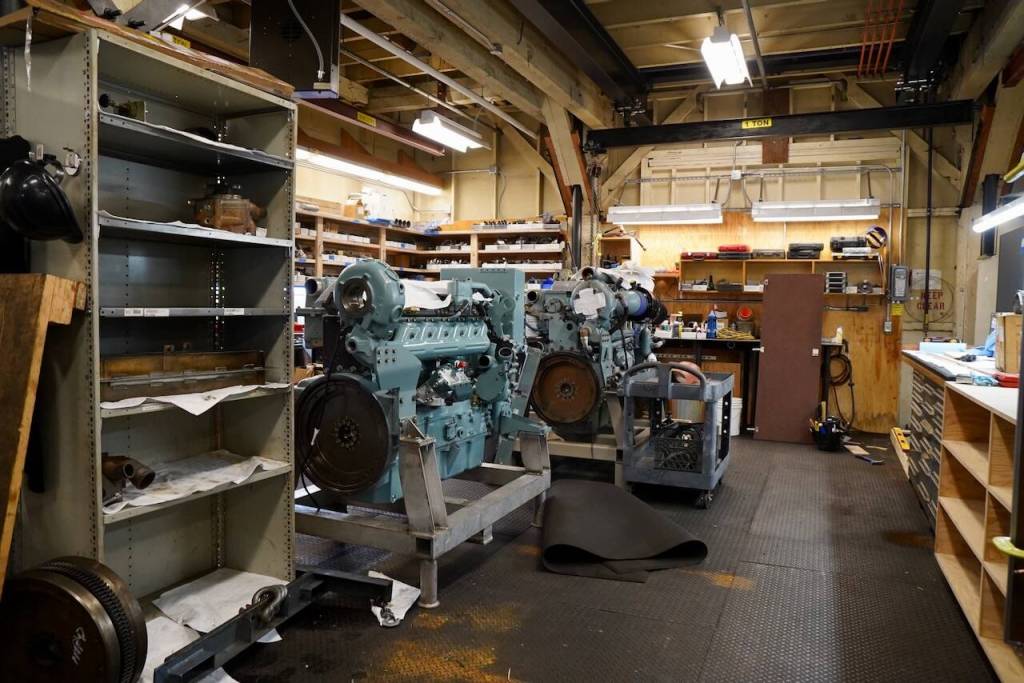
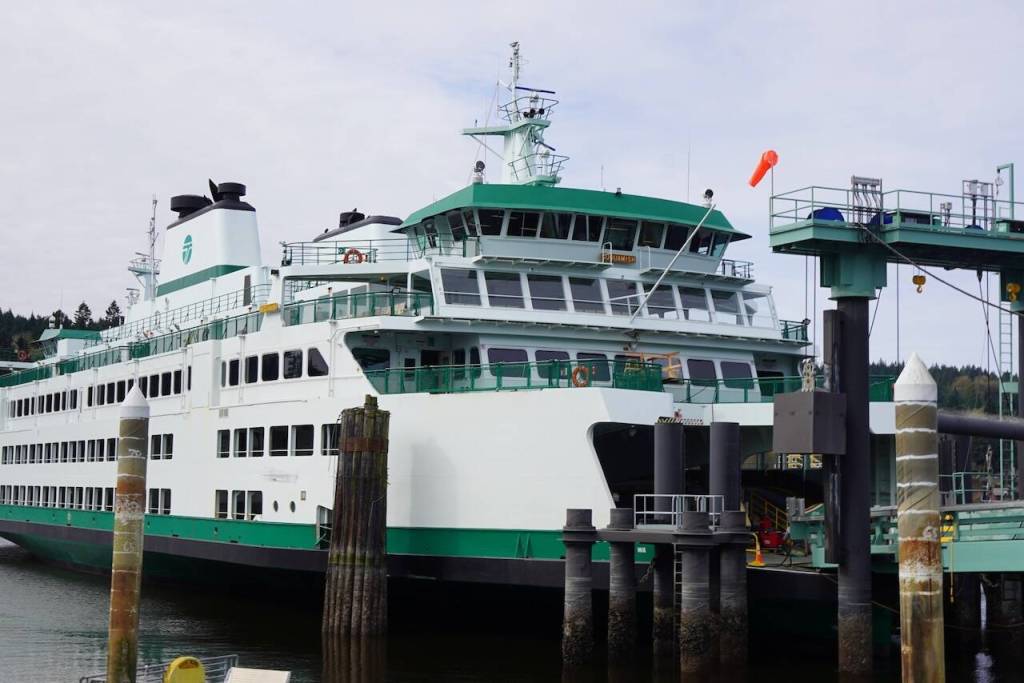
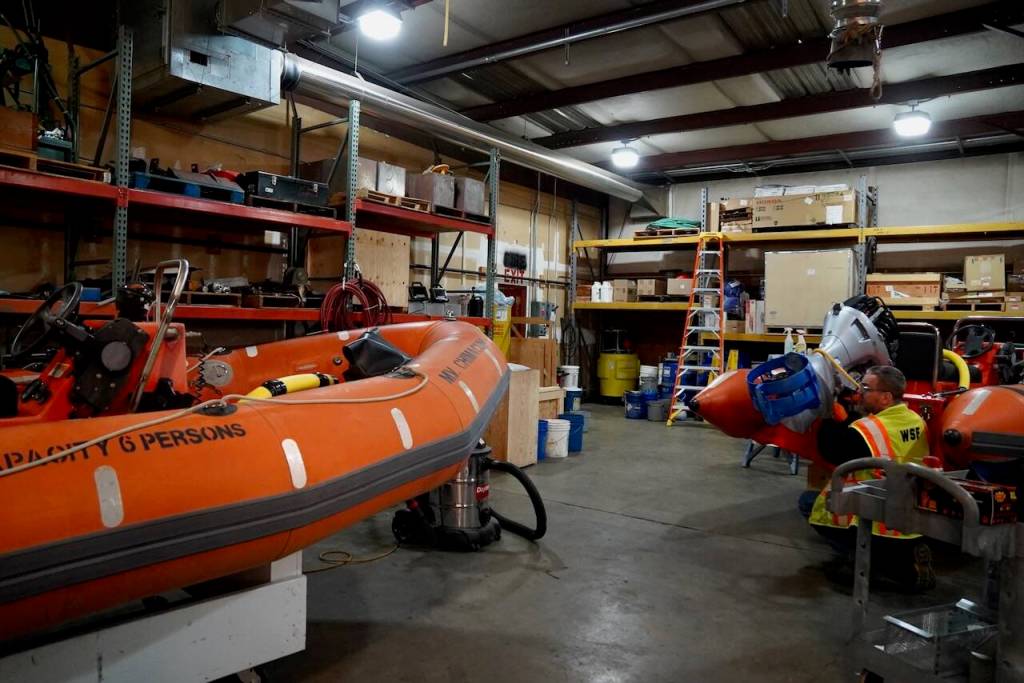
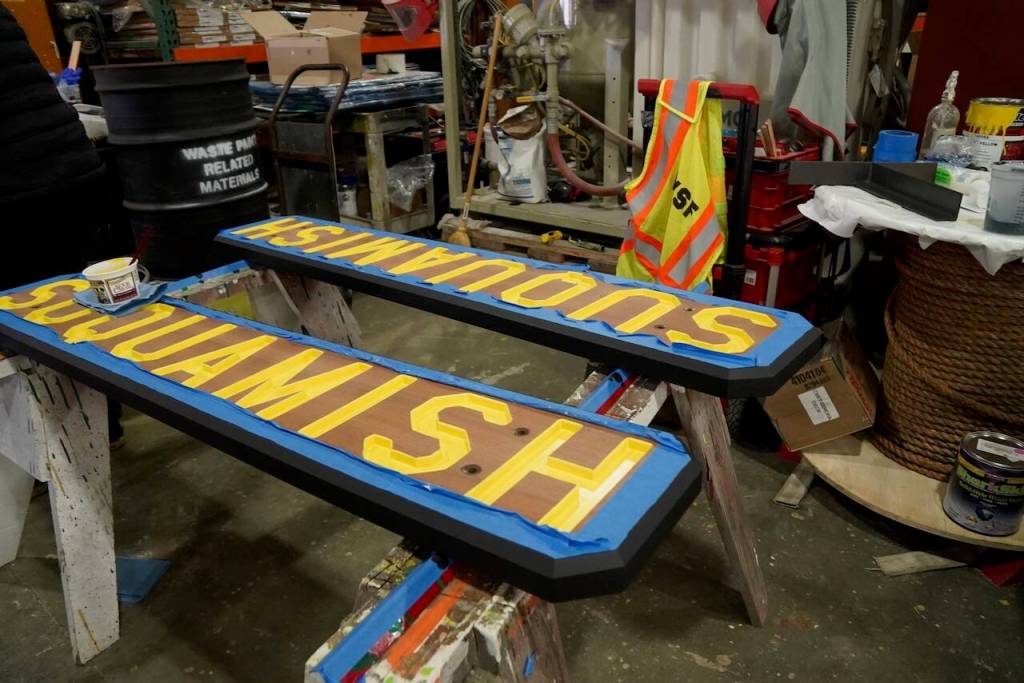
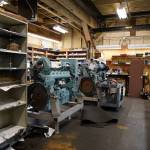
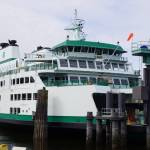

Since 1951, Washington State Ferries has operated a maintenance facility on Bainbridge Island, which houses repair shops supporting both vessels and terminal work throughout the transit agency.
The facility employs over 100 workers and is home to 10 maintenance shops, including: electric, pipefitter, machine, sheet metal, weld, lock, radio, carpenter, insulation, and shore maintenance. Eagle Harbor is currently one of the oldest operating state-run ferry maintenance facilities in the region, WSF spokesperson Dana Warr said.
WSF facilities operation manager Alex McEwen described some of the types of work personnel perform throughout the facility.
“In order to maintain service reliability and just the schedule that we produce and publish, we do a lot of work in the few hours between the last sailing and the first sailing of the morning, which might only be a two or three-hour window. So behind the scenes, these crews will go out on an overtime assignment, and usually we have a very specific job to do,” he said.
McEwen said WSF has six slips for vessels at Eagle Harbor’s facility. Warr said the agency strives to do as much work as possible at Eagle Harbor, but some work, including repairs, inspections, or preservation work, requires a dry dock to complete the work out of the water.
The M/V Chimacum and M/V Suquamish, which were both recently repaired at the facility, were expected to return to service sometime in April. “The Chimacum is scheduled to operate on the Bremerton route. The Suquamish is expected to operate in the San Juan Islands for a few weeks before going to the Mukilteo/Clinton route,” Warr said.
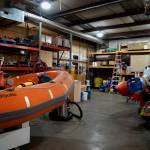
McEwen said WSF handles the bulk of rescue boat work internally, adding, “We rescue people all the time. And of course, if anything were to happen, if somebody jumps overboard, or if a kayak tips over, it’s just maritime custom and law that we render assistance.”
Warr said roughly $2 million in state funding has been approved to allow the creation of a six-person emergency preservation response team as part of Eagle Harbor’s maintenance staff. “Once fully staffed, this will allow our maintenance teams working on planned maintenance and preservation work to continue that effort uninterrupted, while the response team can deploy quickly throughout Puget Sound to make repairs. When not in the fleet or at a terminal making emergency repairs to vessels or terminal structures, the team will support planned work at Eagle Harbor,” he said.
WSF also anticipates receiving $19 million in state funding over the next five years to help improve WSF’s Eagle Harbor facility, Warr said.



Best of Bainbridge