
Thousands of native bees to be released around BI next week
Published 1:30 am Thursday, April 2, 2026



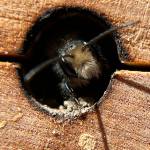
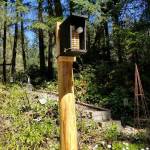
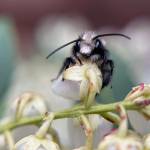
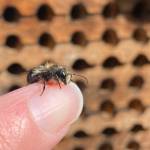
Bainbridge Island may be more abuzz than usual this spring, as a local apiary company plans to release thousands of native bees on the island next week.
Rent Mason Bees, a Bothell-based company that raises solitary bees and creates at-home bee nesting kits, will deliver and release about 45,000 blue orchard mason bees across the island on a warm day the week of April 6.
The bees will pollinate early-blooming flowers in gardens, forests, and orchards on the island, but their role is greater than that, explained Thyra McKelvie, BI resident and managing director of the apiary company.
“Mason bees are incredible pollinators,” said McKelvie. “They belly-flop onto flowers, collecting loose pollen that easily gets sprinkled around as they move from bloom to bloom. They are easy to care for and will increase pollination for fruit trees and garden blooms.”
Native bee species, including blue orchard mason bees, are efficient pollinators that can access native plants, as well as augment the workload of European honeybees. Mason bees pollinate about 95% of the blooms they land on, compared to a honeybee’s 5% — which means 400 mason bees can perform the same amount of pollination as 40,000 honeybees.
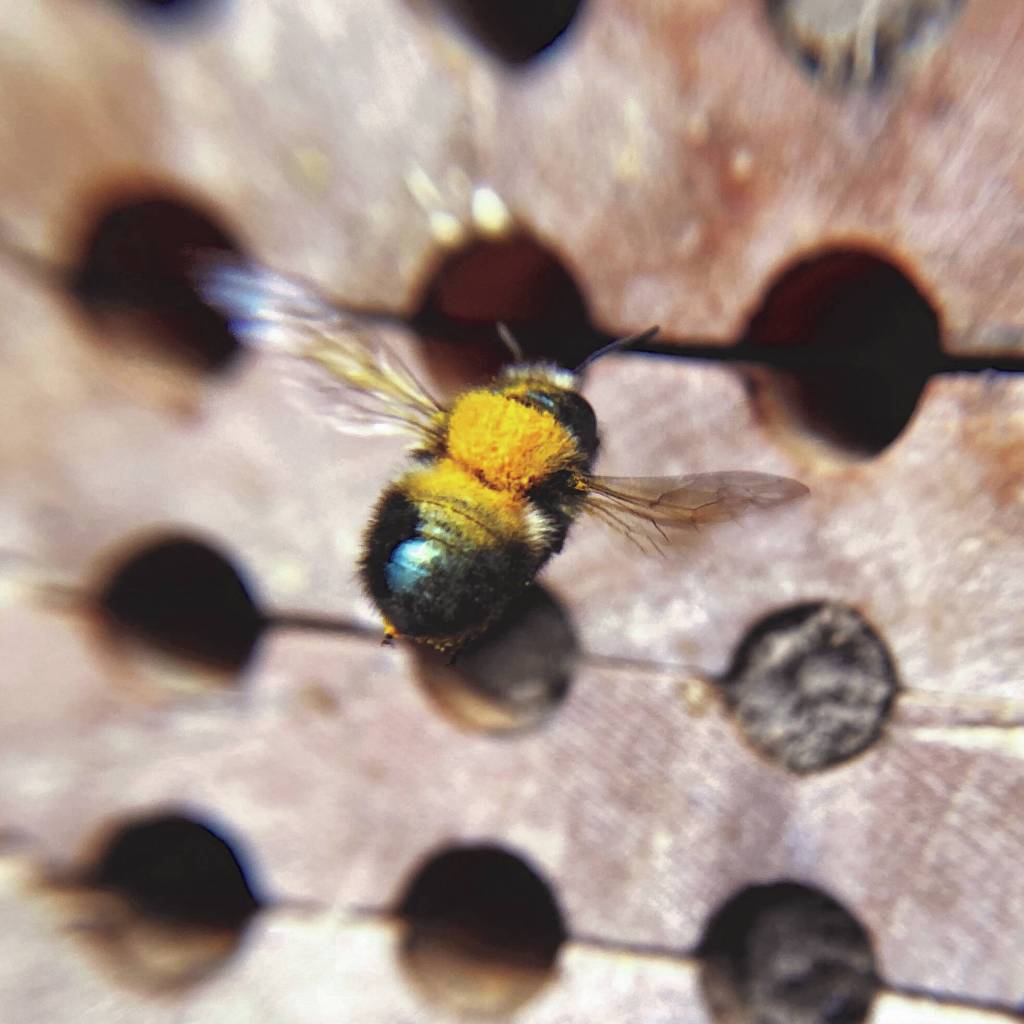
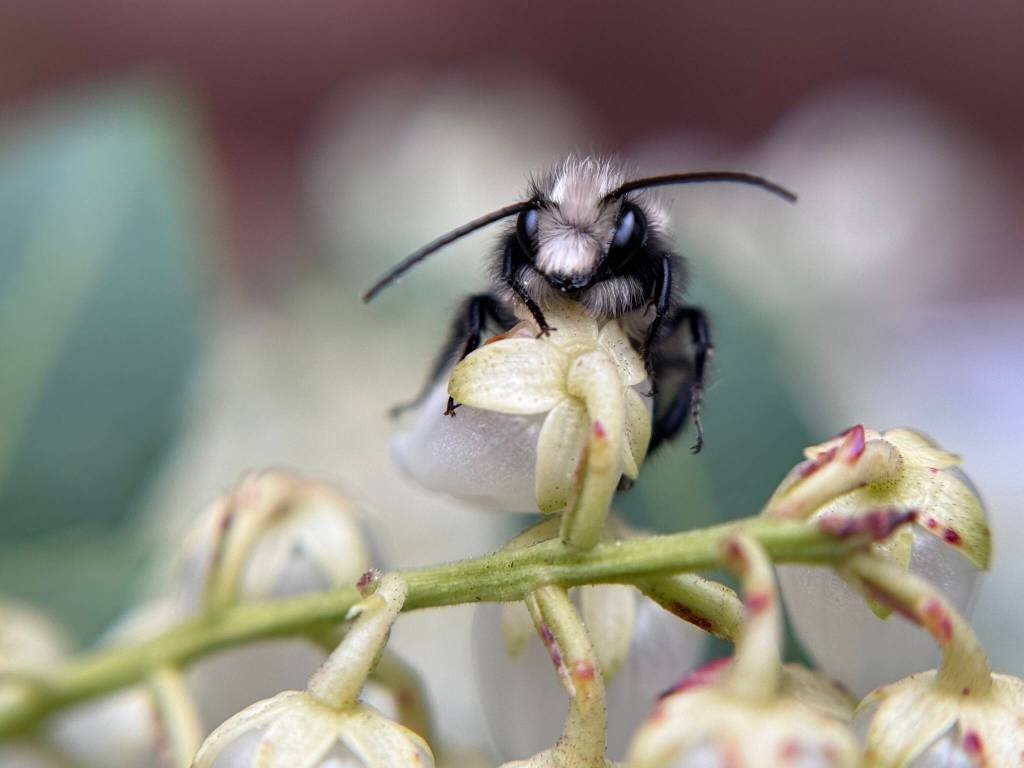
The mason bees’ edge comes from their pollinating strategy: a “belly flop,” per McKelvie, that covers the whole bee in pollen that clings to fuzz all over its body called scopa, or a “pollen brush.” When the bees fly around visiting blooms, they sprinkle pollen onto flowers that they pass as well as those they land on.
Mason bees don’t drink nectar like honeybees, which means the two bee families don’t compete for the same resources in a field, added Jim Watts, owner of Rent Mason Bees and Watts Solitary Bees. When it comes to working bee colonies, that dynamic can be “a really good reciprocal relationship with honeybees, farmers and us,” said Watts.
Watts explained that the almond industry in Central California is a prime example of the benefits of mason bees to both agriculture and apiculture. Every spring, about 90% of working honeybee colonies in the United States are shipped to 1.5 million acres of almond orchards in CA to pollinate the trees. Farmers will place about two honeybee hives per acre for maximum pollination efficiency, but that ratio of bees to blossoms can be challenging for the bees, due to the small amount of nectar almond trees naturally create, Watts explained.
“They can barely survive on that; honeybees need lots of nectar, and that’s about the nectar load for honeybees — almonds are. It’s really tough on the honeybees. So when we add our mason bees, they reduce the honeybees’ workload down to one honeybee hive, there’s tons of nectar for them and tons of pollen, so the honeybees come out healthier,” said Watts.
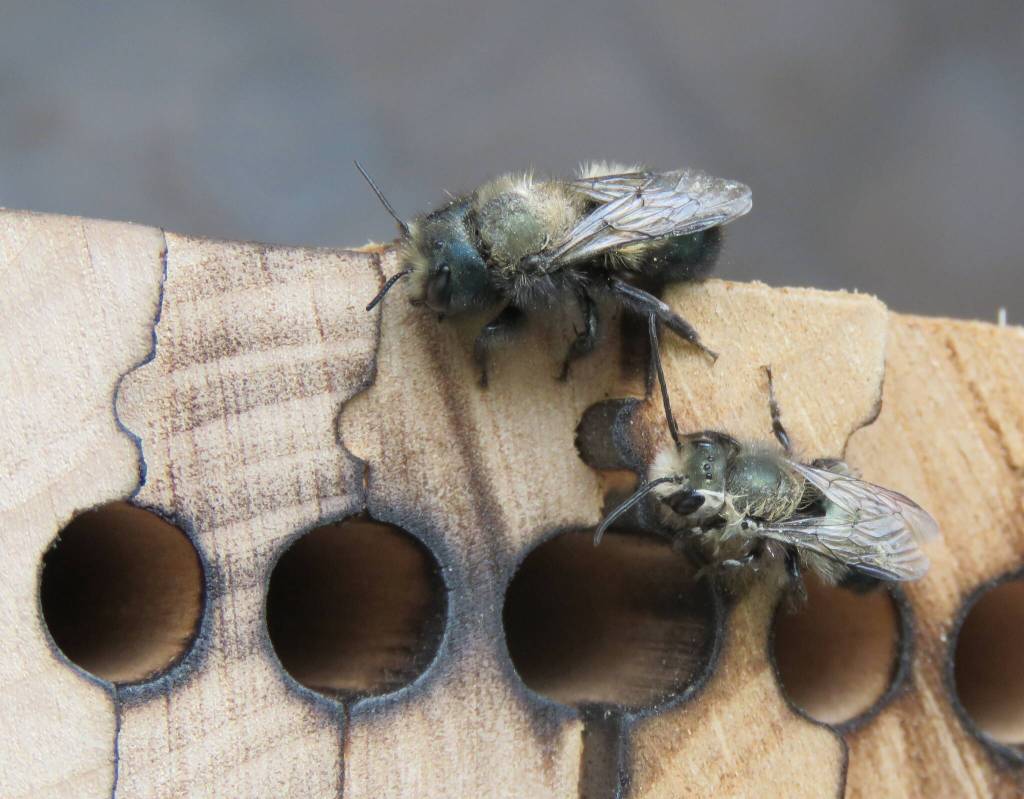
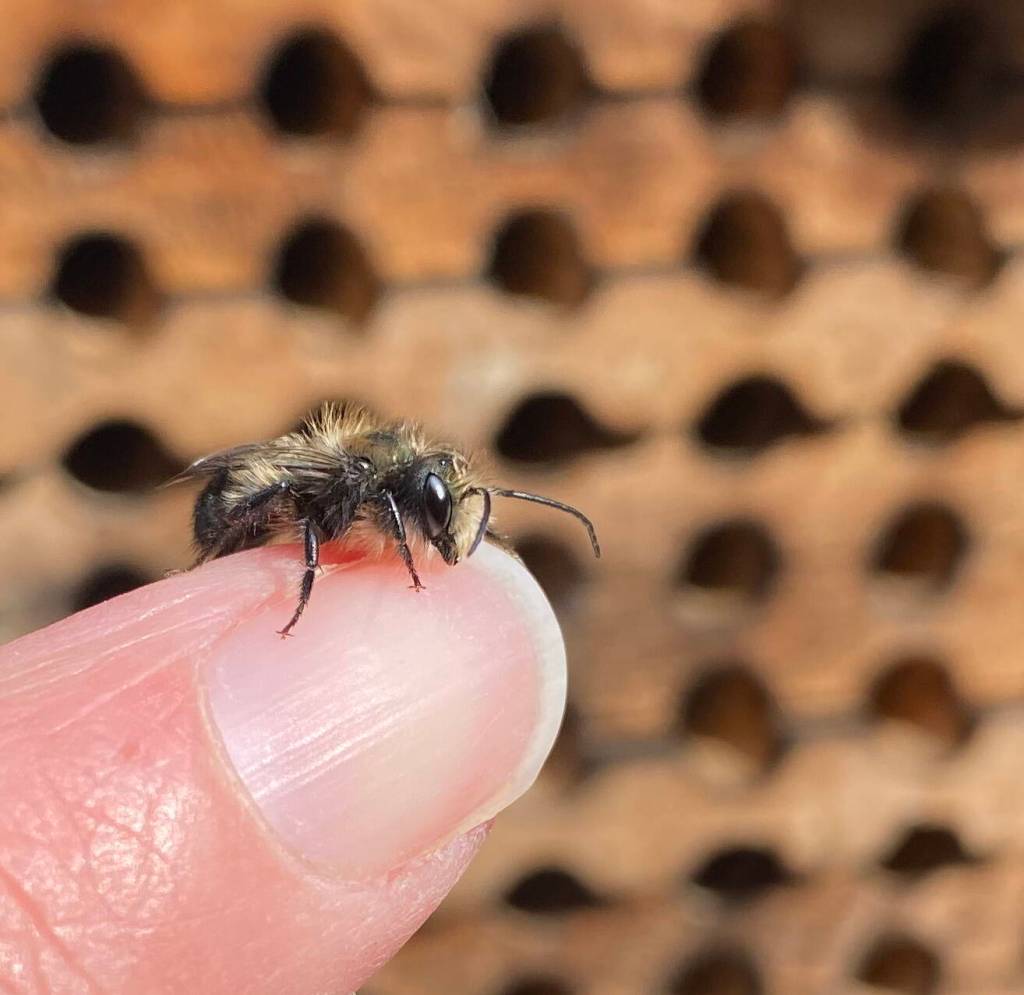
Blue orchard mason bees do not form hives like honeybees, nor do they sting, nor do they chew holes in wood, explained McKelvie: they’re a gentle but solitary bee species that just collects enough pollen to sustain larvae while it grows and matures.
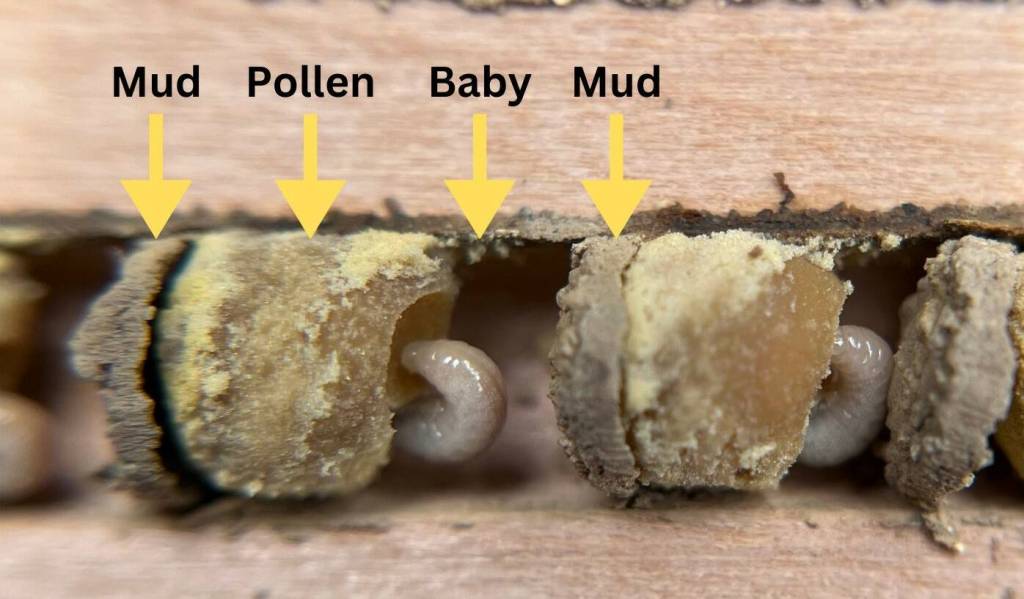
Blue orchard mason bees live only about seven weeks, during which they seek burrows in warm, dry locations to lay eggs and raise their young, usually between 5-15 larvae at a time (compared to about 2,000 eggs daily from a honeybee queen). Each female mason bee selects her own individual burrow, which she will divide into cells separated by a cap of mud. Inside each cell, she lays one egg and adds a large “pollen loaf” for the larvae to feed on when it hatches.
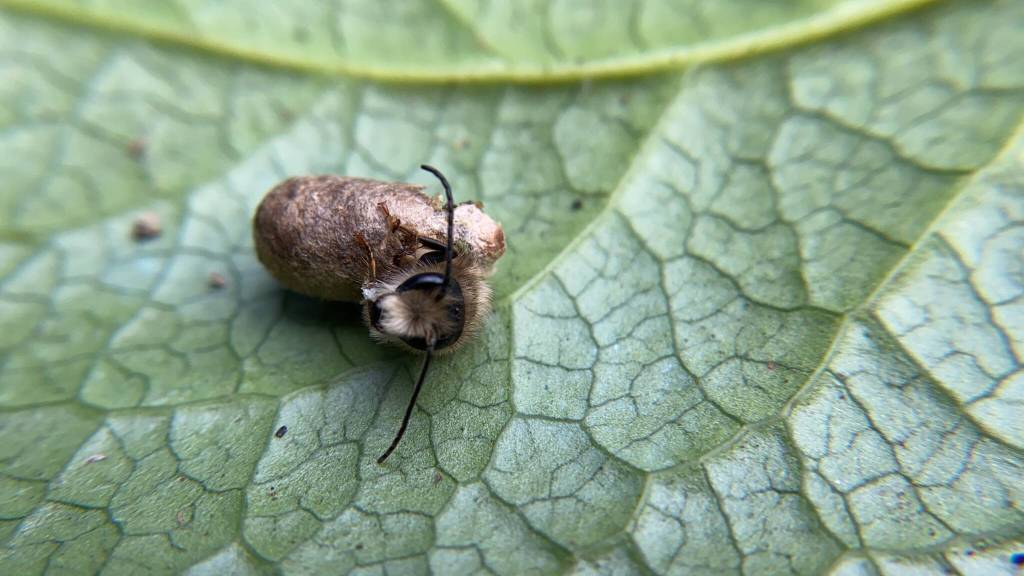
Once the larvae develop inside its mud cell, it forms a cocoon, then overwinters to hatch as an adult bee in early spring.
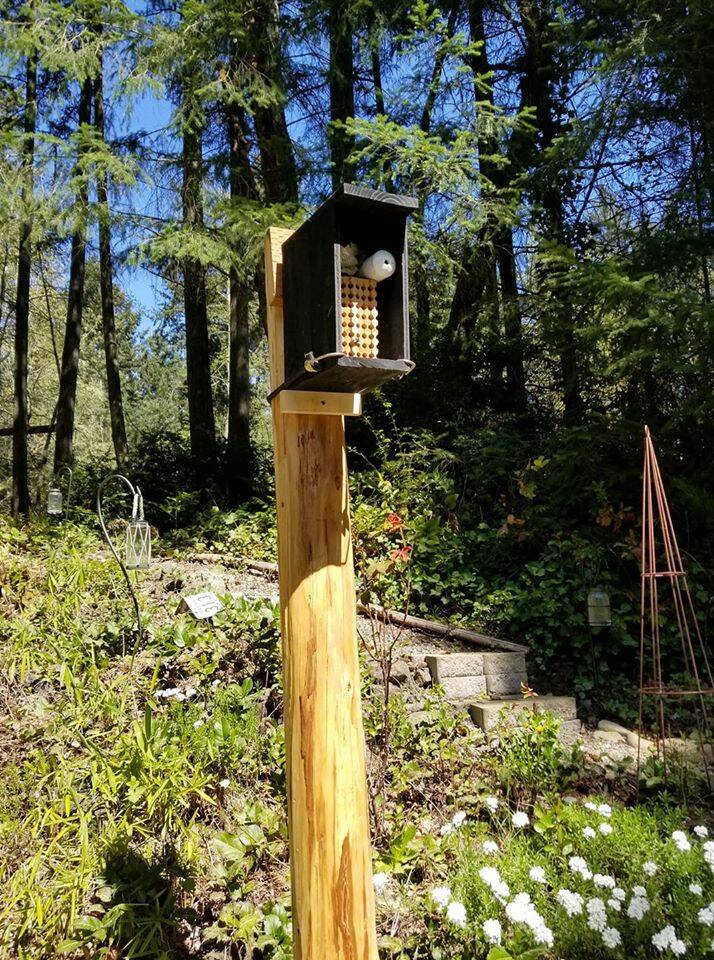
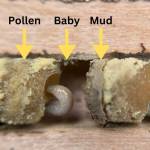
“You can hear a cracking, kind of like a Rice Krispie — when you go out into your yard in the spring, and you hear that crunching noise coming from your bee house, those are the bees chewing through the cocoon to start to emerge,” said McKelvie. “When you open up your bee house, you can see the mud, the pollen, the teeny tiny little babies, and the mud. That’s what the inside of your nesting chamber looks like. It’s fascinating how these little bees work.”
Efforts to raise native pollinator diversity in Bainbridge’s public natural spaces are on the rise.
In 2021, the BI Metro Parks and Recreation District partnered with Rent Mason Bees to release about 1,600 bees in various historic orchards and meadows around the island to strengthen the resilience of the orchards and native plants in surrounding parks. In July 2025, BIMPRD announced that part of the open space at Battle Point Park will be converted to a pollinator meadow, with native plants that specifically support blue orchard mason bees, among other pollinators, starting in May 2026.
“We mow a lot of grass that doesn’t serve a big ecological purpose, and we wanted to create opportunities to talk about pollinator habitat in our parks,” said natural resources manager Morgan Houk at a July 2025 parks board meeting. “This will be the first area [on BIMPRD land] that we are transitioning a traditional lawn to a less-landscaped area that is focused on the natural resources in the area.”
McKelvie emphasized that raising mason bees is one of the best things a gardener can do for their immediate environment, as long as they take care to ensure the bees are safe from parasites and predators. By cleaning the bees’ nests every spring, using safe-for-bees materials, removing and cleaning cocoons with larvae to store over winter, and planting a pollinator-friendly garden, people can support native bees, McKelvie explained.
“Mason bees are gentle and incredibly efficient pollinators that anyone can welcome into their garden,” said McKelvie. “With clean nesting habitat, spring flowers, and a little mud, gardeners can help pollinators thrive while improving fruit tree pollination and garden harvests.”