
Bainbridge police unveil faster, more accurate LIVESCAN system
Published 11:43 am Monday, July 20, 2015
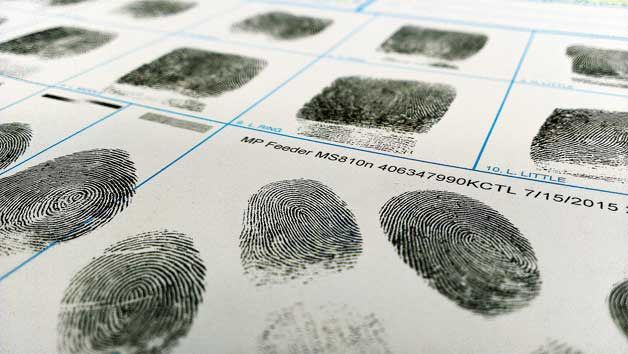
Get ready to reach out and touch the future, Bainbridge.
Don’t worry about getting your fingerprints on the glass, that’s kind of the whole point.
Chief Matthew Hamner of the Bainbridge Island Police Department, along with administrative coordinator Barbara Burns and Bainbridge Island Municipal Court Judge Sara L. McCulloch unveiled the island’s new LIVESCAN electronic fingerprinting system, which they have worked to obtain for more than a year, earlier this week.
The system, Burns explained, is a much more modern, convenient and reliable method of fingerprinting people for any of the multitude of reasons the procedure is performed.
Gone is the old method of inking each finger and rolling it across a piece of cardboard. The new system has a specialized digital camera that captures electronic images of a person’s fingerprints and then instantly transmits the data, which is then used to facilitate background checks, verify a person’s identity or investigate their potential criminal history.
The Bainbridge Island Police Department provides fingerprinting services for about 200 individuals a year, officials said, including assisting those in numerous occupations that require regular background checks.
Professions that need fingerprint-based background checks, officials said, include those seeking real estate licenses, as well as insurance agents, teachers, medical providers, financial advisers, child care providers, postal workers and many others looking to assist volunteer-based organizations.
Applicants are provided with a fingerprint card after the impressions are rolled. Though no criminal history research is done by Bainbridge police, the LIVESCAN system does allow officers to provide the municipal court with post-conviction fingerprints.
The road to the acquisition of the system began more than a year ago when members of the Bainbridge Island Kiwanis Club asked about the possibility of moving to a more reliable and convenient system, following the official rejection of many volunteer fingerprints by the state for reasons of legibility.
The ink-based system would often fail to capture a full fingerprint and volunteers then had to be fingerprinted again, Hamner said, which means they had to pay the fee again.
A $10 fee is required by the police department for those seeking to be fingerprinted, for which they will receive two copies of their card.
The system cost a little more than $10,000, Hamner said, of which nearly half was paid for by the Bainbridge Island School District.
As teachers are required to be fingerprinted every two years, he said, the system was a worthwhile investment for the district because it would save those teachers and other islanders a trip to Poulsbo or even Port Orchard — the nearest offices capable of recording fingerprints.
Hamner said the new system is more accurate, faster and cheaper for everyone in the long run.
The most important thing, Hamner said, is for police and the court system to continue to serve the people of Bainbridge in an effective, convenient and reliable way.