The old rugged songs of faith
Published 5:00 am Wednesday, December 22, 2004
Traditional hymns find some new life through ‘Song Circle.’
As modern life presses in, many island groups have formed to preserve things common in simpler times: old buildings, open space, salmon runs.
And now, hymns.
“The old hymns just aren’t played much any more,” in Protestant churches, said David Webb, 62, who founded the Seabold Sacred Song Circle four months ago.
He and a group of Christians who enjoy the old songs of traditional services are preserving hymns by singing them, for pleasure and in hopes that the tradition will endure.
“The newer churches bringing in young people are playing more rock ’n roll and praise music,” Webb said, “and people just don’t hear ‘The Old Rugged Cross’ and songs like that,” these days.
He knows this from first-hand experience, because with his acoustic guitar Webb leads the music during the 9 a.m. service at his church, Seabold United Methodist.
That service features mostly contemporary “praise” songs written in the last 20 years.
Older hymns are sung at the 10:30 a.m. service, but not exclusively.
Webb said he loves the newer songs too, but they just can’t replace the old standards that he and many others fondly remember from childhood.
“If you are 40 or 50 years old now, you’ve grown up with the old favorites, and they are aren’t played much any more,” he said.
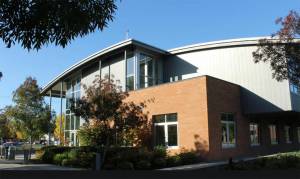
“So we play them here,” during the Seabold Sacred Song Circle, the first and third Friday of the month at 7:30 p.m., in the century-old sanctuary of Seabold Church.
The group sings classics like “Abide With Me,” “In the Garden,” “Amazing Grace,” “He’s Got the Whole World,” and “Great Is Thy Faithfulness,” along with gospel songs and other religious chestnuts.
Protestant congregations have sung hymns as part of the liturgy since the Reformation in the 16th Century, as an expression of devotion to God.
In earlier times, hymns were sung by an individual or just a few voices, scholars say.
Martin Luther encouraged worshippers to sing hymns based on lyrics from the Bible using tunes from popular songs from that era.
But many churches have been moving away from traditional hymns for some time, as part of an effort “to provide ‘relevant’ and ‘engaging’ worship,” said Patricia O’Connell Killen, professor of religion at Pacific Lutheran University.
“Rather than teach theology shaping imagination, which is what traditional hymnody did and does, praise songs are designed to evoke emotion and open people to a more intense experience of God in the service.
“Rock band performances also contribute to creating a particular kind of affective climate understood to help evoke religious experience.”
In the view of many churches today, the old-world imagery and language in hymns just doesn’t speak to young churchgoers the way hymns did for their forebears.
“It’s a generational thing,” said Peggy Drew, who was married to the late Methodist minister Bob Drew for many years. “Some younger people don’t know the hymns at all.
“They didn’t grow up with them like we did.”
She, on the other hand, has been singing hymns her whole life.
“People often laugh at me, because I don’t use the hymn book,” she said. “I know them from years and years of singing.”