Winslow’s about to boom
Published 5:00 pm Wednesday, August 30, 2006
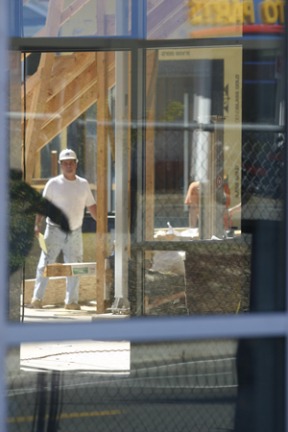
An estimated 600 new residents will move into downtown in the next few months.
(Note: This story is the first of two parts. Saturday: New commercial spaces promises greater retail activity for downtown merchants and shoppers.)
The downtown construction boom is nearly over. Now comes the population boom.
Almost 600 new downtown residents are expected over the next few months, as hundreds of welcome mats are laid at the doors of freshly built condominiums.
“It’s historic to have that many folks on-line in such a small amount of time,†said Bainbridge Island Chamber of Commerce Director Kevin Dwyer. “There’s no question it’ll have an impact, but I think it’ll be more positive than negative.â€
Parking may be tighter, service providers may feel some growing pains and local police may see an up-tick in downtown crime, but many local leaders are predicting a third boom – this time for downtown businesses – and a victory for urban planning.
“More people living downtown means a more walkable and vibrant downtown,†said Sandy Fischer, manager for the Winslow Tomorrow planning project.
The rapid increase in higher density living spaces is a manifestation of the community’s goal of concentrating population growth in downtown Winslow while maintaining the rest of the island’s rural character, Fischer said.
More than 330 condominium units spread across five new developments are completed or near completion around Winslow.
A trickle of new residents have already moved in to the new condos. Harbor Square, across from the ferry terminal and by far the largest of the new developments, already has residents in 15 of its 180 units along Winslow Way.
Only four of its condos remain unsold as the project nears full completion in January.
The recently completed Island Crossings development on High School Road has only 17 more units to sell out of 60. Prices there range from $229,000 to $389,000 for one- and two-bedroom units.
The 45-unit Vineyard Lanes development on the south end of State Route 305, near Winslow Way, has sold about two-thirds of its 45 units, with the first residents expected to move in by early October. Many of Vineyard Lane’s condos are priced in the $850,000 range.
Madrone Village along the far-west portion of Winslow Way has sold five of its 38 units. Slated for completion by early December, Madrone Village’s units start at $425,000 and top out at $950,000.
The Seabreeze mixed-use project at the intersection of lower Madison Avenue and Bjune Drive will likely have its 11 units ready by the end of the year.
Most of the new units will house one or two residents, according to developers, with many empty nesters and snow birds flocking to Winslow.
“A lot of our people have careers, but also have more time,†said Windermere Real Estate’s Tim Bailey, who is marketing Vineyard Lanes. “Many are retired or near retirement.â€
Barb McKenzie, of Coldwell Banker McKenzie Associates, said the two developments she represents – Island Crossings and Madrone Village – have drawn a large degree of interest from couples or single people without children.
She estimates about 20 percent of buyers have purchased condos as an investment and may, in turn, offer units as rentals.
About 5 percent have purchased a condo as a second home for use during part of the year. Most buyers already had a home on the island or have family nearby. About a quarter are from the Seattle-area or live out-of-state, she said.
Sharon Kortum, a buyers agent for Harbor Square, said roughly one-third of her development’s buyers are already Bainbridge residents, folks wishing to “downsize†with a smaller residence closer to urban amenities. The remainder of Harbor Square’s buyers are split between Puget Sound residents and residents of other states.
Two by two
Most of Winslow’s new condominium units will house an average of two people, according to Kortum.
That number is a close match with the city’s estimate of 1.7 people per condo unit, putting downtown’s likely population surge at about 568 people.
“With almost 350 new homes closing (sales) in the next few months, I’d say 600 new people is fair, 700 is generous,†McKenzie said.
It will be a sizable leap, boosting downtown Winslow’s estimated population of 5,750 by 10 percent in less than six months.
“More people downtown is consistent with the (city Comprehensive Plan’s) goal of 50 percent living downtown,†said Fischer, who estimates recent growth rates have averaged just 35 percent downtown.
Dwyer agrees that the downtown condo trend will help meet the community’s growth goals.
“This helps illustrate what we’re after as a community,†he said. “It’s a more pedestrian-friendly and accessible environment, and it helps preserve what we have outside the core area – that rural look and feeling.
“That’s what makes this community what it is.â€
Local businesses are also part of the island’s character, according to Bainbridge Island Downtown Association Executive Director Cris Beattie.
“Having lots more business year-round will be a wonderful benefit to the downtown shopping core,†she said.
“I hope the new residents see downtown as their very own shopping district. Now we have to get the merchants on-track for the new residents.â€
Meeting the increased demand will likely mean longer business hours and a larger array of common consumer supplies beyond the items that draw in tourists and holiday shoppers.
“I suspect we’ll have more pedestrian business, and that’s a good thing,†said Larry Nakata, owner of Town & Country Market on Winslow Way. “But the jury’s still out on parking.â€
While many new residents are expected to leave their cars in underground spaces supplied by most of the condos, some business leaders believe the city must step up efforts to improve public transportation and parking.
“If someone lives in a nearby condo, they may still drive to T&C to load up on weekly groceries,†said Dwyer. “Many may still want to use their car for errands, especially the elderly and when the weather gets bad.
“A lot of people in the Northwest understand you just put a heavy jacket on and a hat, but there’s no question many will walk mostly when the weather’s nicer.â€
That’s why Dwyer and Beattie are lobbying the city for a downtown shuttle bus that will help free downtown parking as the population increases.
“These (new) people need to see the alternative means of transportation,†said Beattie. “It’ll take some education because parking is already an issue.â€
But parking enforcement will likely remain the same, Police Chief Matt Haney said.
“Parking has really improved over the last three years,†he said, referring to increased public notices and higher fines. “So, I don’t see this (growth) having an impact on parking.â€
Haney predicts his department may see an increase in calls for common island emergencies, including burglaries, vandalism, shop lifting and domestic violence.
The number of officers in the field at any given time – usually two – will likely remain the same, as will their typical range around the island.
“We’ll still have a lot of island to cover,†he said. “There wouldn’t be much advantage to having them hang out in Winslow all the time, even with a 600 (person) increase.â€
While an influx of well-off Baby Boomers and retirees swarming into Winslow likely won’t come with a surge in crime, other service providers more in-line with this demographic are preparing for increased demand.
“We’re already maxed-out,†said Jane Allan, director of the Bainbridge Island Senior Community Center on Brien Drive. “We have only 1,500 square feet for serving lunches and our programs. We know we’re going to have to grow as well, and add new programs to prepare for a variety of seniors.â€
The senior center is preparing to study the possibility of expanding the Bainbridge Commons, where many of the organizations events and services are offered.
Downtown growth may be out-pacing other planning efforts, Allan said.
“We need to invest in (downtown) to match the people that will live here. It needs to be walkable. We need sidewalks so people will want to walk around downtown,†she said.
Allan and others say the city’s infrastructure is a step – or possibly many steps – behind downtown’s residential growth. Grow Avenue is without sidewalks, Waterfront Park is without a permanent public restrom, and a possible parking garage to absorb increased vehicle traffic is still in the discussion phase.
“It’s not just density that we need,†Allan said. “We need to put the planning for it into place. I don’t think we’ve done that.â€