
CCAC gives 2025 report to BI Council, goes over 2026 plan
Published 1:30 am Tuesday, April 28, 2026
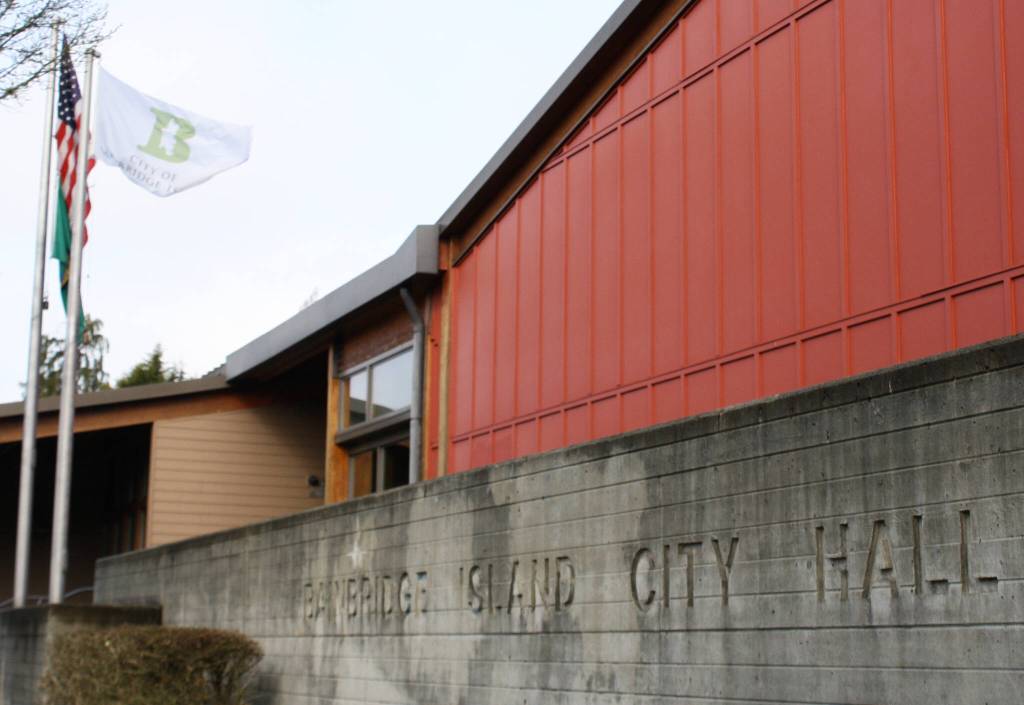
The Bainbridge Island City Council received a 2025 report from the Climate Change Advisory Committee, along with the committee’s 2026 work plan, at its April 21 study session.
CCAC vice chair Sanjay Bhatt shared several highlights of the committee’s work, including a recent heat pump pilot program.
“The CCAC originally helped design this pilot, and once it was completed, we reviewed the findings with climate manager Laura Ryser and recommended next steps. In short, the pilot was a huge success. It met its target for the number of installations, and just as important, 90% of installations serve the city’s priority demographic (households at or below 80% of the area median income). The CCAC has recommended that the city sustain this program by leveraging partnerships and financing for this program, which could include collaborating with regional organizations, grant makers, and equity-focused financing entities,” he said.
Bhatt said another program CCAC supports is the electric vehicle charging code for multifamily buildings.
“Two years ago, as you know, following a request from council liaisons and city staff, your advisory committee reviewed the city’s EV charging code for multi-family buildings. The key idea is that these buildings are designed to be around for 75 plus years, and it’s far more cost-effective to design the charging infrastructure up front than to try to retrofit. Plus, raising the required number of EV charging spaces and multi-family buildings supports the climate action plan’s goal of reducing greenhouse gas emissions from motorized transportation,” Bhatt said. “It also supports equity by making it feasible for those who live in multifamily buildings to enjoy the same access to EVs as residents of single-family homes.”
Last year, CCAC, in collaboration with a city engagement intern, conducted further research about the future of electric vehicle infrastructure on BI, per Bhatt. This included tabling at the farmers market to gather public feedback on potential options proposing to raise requirements for EV-ready and EV-capable spaces. CCAC supported the recommendations in a step-by-step fashion with an opportunity for the city council to provide input throughout the process.
“The CCAC would like to see how the city and PSE (Puget Sound Energy) can collaborate to support new multifamily developments that would provide a much higher percentage of EV-ready and EV-capable spaces than we have today,” he said.
Bhatt also highlighted some of the 2026 CCAC workplan goals.
“The committee plans to work with the climate manager to update and revise the CAP (the Climate Action Plan) by conducting an analysis on the current document and participating in community outreach activities. Along with that, we want to support Ryser as she pilots climate-informed decision-making, using the climate lens tool and the development of a public-facing dashboard tracking the city’s progress toward the cap goals,” he said.
“Another initiative this year is Solarize Bainbridge. More than 150 households applied for this program for a free solar assessment on their home to see if they could cost-effectively generate their own electricity by installing solar panels on their home’s roof. The committee would like to support and extend the work of the climate manager and of Olympia Community Solar, and collaborate with the newly formed Bainbridge Solar Collective.” Bhatt said the program could help islanders reduce greenhouse gas emissions and become more energy resilient.
Council approved a motion to forward the 2026 CCAC workplan to a future business meeting for consideration of approval.

Best of Bainbridge