
KPHD interim health officer supports water fluoridation at low levels
Published 1:30 am Wednesday, October 29, 2025
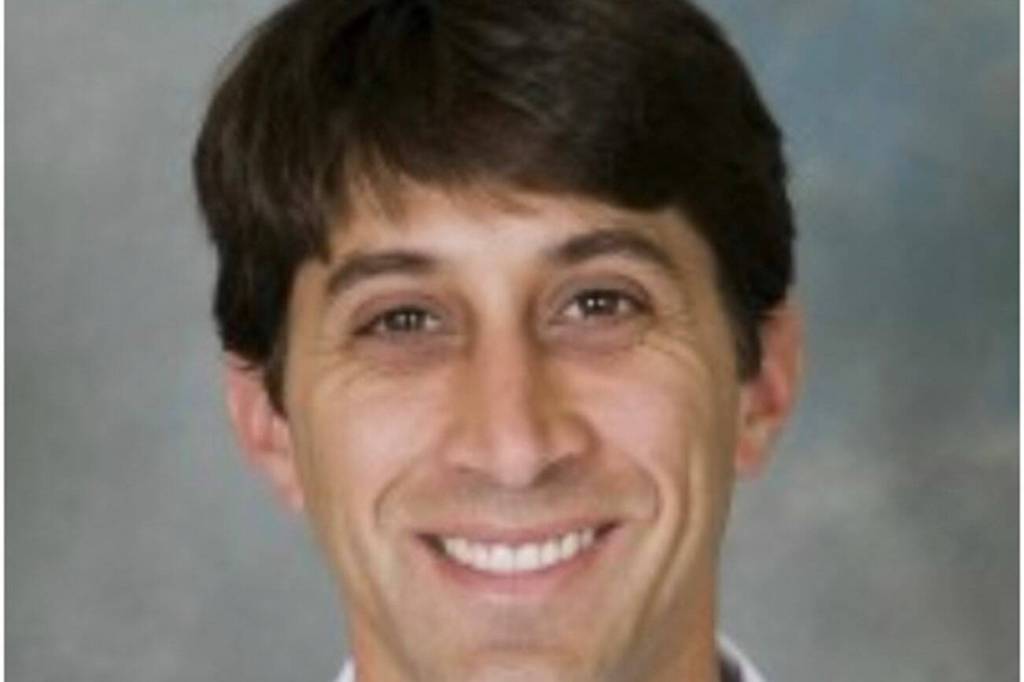
Fluoridation of public water is a “hot topic,” Dr. Herbie Duber, the interim-health officer at Kitsap Public Health District, told the board at a recent meeting.
No municipalities in Kitsap County are currently considering changing their stance on water fluoridation of public water, but the issue has surfaced in part because U.S. Health Secretary Robert F. Kennedy Jr., who oversees the Centers for Disease Control and Prevention, said he intends to push for removal of fluoride from the public water supplies across the country. He has described fluoride as “industrial waste.”
Fluoride is a naturally occurring mineral that protects teeth from tooth decay, Duber says. Generally, all water contains some naturally occurring fluoride, but not enough to prevent tooth decay. This has led many communities to add additional fluoride to the water to combat tooth decay.
“I’m in support of community water fluoridation, based on what we currently know,” Duber said. “I think it’s important that we all – especially in a charged political environment – say this is the best that we have right now.
“There is pretty good evidence about the benefits of community water fluoridation at low concentrations. There’s some suggestion that it has a disparate impact on certain communities, particularly low-income communities. That is really important in a place like Kitsap County, where access to care is limited at times,” he said.
Duber is a University of Washington professor of emergency medicine. He is also an attending physician at Harborview Medical Center and U.W. Medical Center.
The cities of Bainbridge Island, Port Orchard and Poulsbo fluoridate their water supply. Bremerton is the only major city in the county that does not. Voters there, in a special election in 1999, rejected adding fluoride to the city water supply.
Currently, approximately 22% of Kitsap County’s population is served by fluoridated water systems, said a KPH spokesperson, citing the Washington State Department of Health.
Most incorporated areas of Kitsap County do not have fluoridated water, except for Annapolis and Manchester, per a map on the KPHD website. The Port Gamble S’Klallam Tribe also fluoridates water on its reservation in North Kitsap.
The federal government and the state of Washington do not order local municipalities to remove fluoride from public water systems. The decision is left to local water districts and city councils.
Pros of fluoridation
The practice of adding fluoride to public water systems, to a level of 0.7 milligrams per liter, benefits communities, Duber said.
“Fluoride at the appropriate concentration in community water systems is beneficial because it hardens enamel and prevents tooth decay. Tooth decay can have significant repercussions down the road. It has been linked to other diseases like heart disease and stroke, even early mortality in some places,” Duber said.
Poor oral health can also have psychological effects, he added. “You can imagine if you have significant tooth decay and you’re going into an interview, it can lead to increased rates of anxiety.”
Supporters of fluorinated water say the mineral protects teeth, promotes oral health and reduces dental costs. They say there is no negative effect from the low-level amount of fluoride used in community water. The CDC, World Health Organization and American Dental Association have endorsed fluoridated water.
Approximately three out of four Americans connected to a public water system receive fluoridated water. Water fluoridation has resulted in about a 25% decrease in tooth decay, per the American Academy of Pediatrics.
Opponents
In the first half of 2025, Florida and Utah moved to ban water fluoridation. Other states are considering similar bans.
Opponents to fluoridation point to studies such as one released in 2024 by the National Toxicology Program, which said with “moderate confidence” that fluoride levels at twice the recommended limit were associated with lower IQs in children. Duber countered the report, saying it was not intended to be used in making decisions around community water fluoridation. “It’s not an evaluation of community water fluoridation. It is an evaluation mainly of places where there are high levels of fluoride. Unfortunately, a lot of people kind of just skipped right over that,” he said.
Those against fluoridation mandating the mineral for the entire community violate freedom of choice and amount to forced medication. Anti-fluoridationists also claim the naturally occurring mineral can lead to bone cancer and affect cognitive development in children. Supporters counter that some studies cited by opponents were conducted in countries where the amount of natural fluoride far exceeds levels in this country, such as China and Iran.
Based on Kennedy’s expected recommendation to ban the addition of fluoride to public water, a national spotlight will soon shine on the topic. KPHD’s Duber, however, hopes the topic does not become a source of tension in the region.
“I hope the people in Kitsap County are going to take a pragmatic approach and have an honest conversation about this, if it does come up, and ask the experts in the field. There’s a lot of noise out there. I’d like to be a voice for Kitsap that gives people information that they can trust and understand,” Duber said.