BISD aims to complete seismic safety upgrades before school begins
Published 1:30 am Wednesday, August 13, 2025
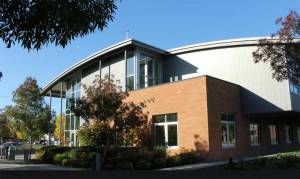
The Bainbridge Island School District is taking advantage of the summer break to retrofit Commodore Options and Ordway Elementary schools, which were identified in a 2021 Department of Natural Resources report as needing seismic safety upgrades.
Construction has reached 50% completion for both schools, said Dane Fenwick, BISD director of facilities operations & capital projects. The work is being completed by Washington-based CDK Construction and its subcontractors for an estimated $2 million. Unlike other capital projects, which typically rely on funds from school levies and bonds, the seismic upgrade projects are primarily funded through a property sale to the BI Metro Park & Recreation District.
Fenwick said changing seismic safety standards can add complexity to retrofitting projects, especially with older schools. Commodore was built in 1948 and Ordway in 1979, with both receiving remodels over the years.
The project has a tight construction window of 56 days before school starts this fall. Fenwick said if the contractors exceed the contract time, they would pay the fees that could cut into their overhead and profit margins.
“There are always things we’re going to run into that we just couldn’t anticipate or expect,” he said, adding in the event of unforeseen problems, the district works with architects and engineers to find solutions.
Contractors mobilized on site at Commodore and Ordway June 19 with an estimated substantial completion date of Aug. 18, for both schools, and a final date of Aug. 28. “The period of time between substantial and final completion provides time for contractors to respond to, (and) provide remedies for items of work identified by the district and its consultants as needing correction and or replacement,” he said.
Fenwick said any delays would be a concern. “We’ve got to get our teachers back in to do their professional development training before the school year starts,” he said.
Regarding changes, Fenwick said students and staff likely won’t notice any apart from new paint and trim. The majority of upgrades will be within the walls, roofs and ceilings.
Travis West, geophysicist and project team lead for the School Seismic Safety Project with the DNR, explained: “DNR supports school districts by conducting site-specific geophysical investigations to determine how the ground will respond during an earthquake. This information is used along with structural engineering assessments of the school buildings to assess whether they are likely to remain standing or collapse during an earthquake.
That “helps with prioritizing schools and school buildings for seismic retrofitting and seismic design for new construction.” DNR aims to perform 1,000 site-class assessments for all K-12 public schools statewide, or roughly half the schools in the state, West said.
“Our current priority is to focus on the remaining approximately 800 schools in high seismic hazard areas, which are defined as schools in areas with a 0.3G or higher Peak Ground Acceleration, per the National Seismic Hazards Map,” he said.
Katie Hannig, Office of Superintendent of Public Instruction interim communications manager, said school districts are required to comply with local and state building codes when they remodel school buildings. “OSPI does not have the administrative authority to enforce compliance with required or recommended seismic safety upgrades,” she said.