Learn to grow food in case of disaster
Published 1:30 am Friday, June 10, 2022

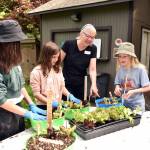

In the event of a major disaster, Bainbridge Island first responders will be overwhelmed, and neighborhoods will be on their own.
Do you have enough food for your household if grocery stores are closed and food trucks can’t get to the island? And is it possible to grow some of the food we will need?
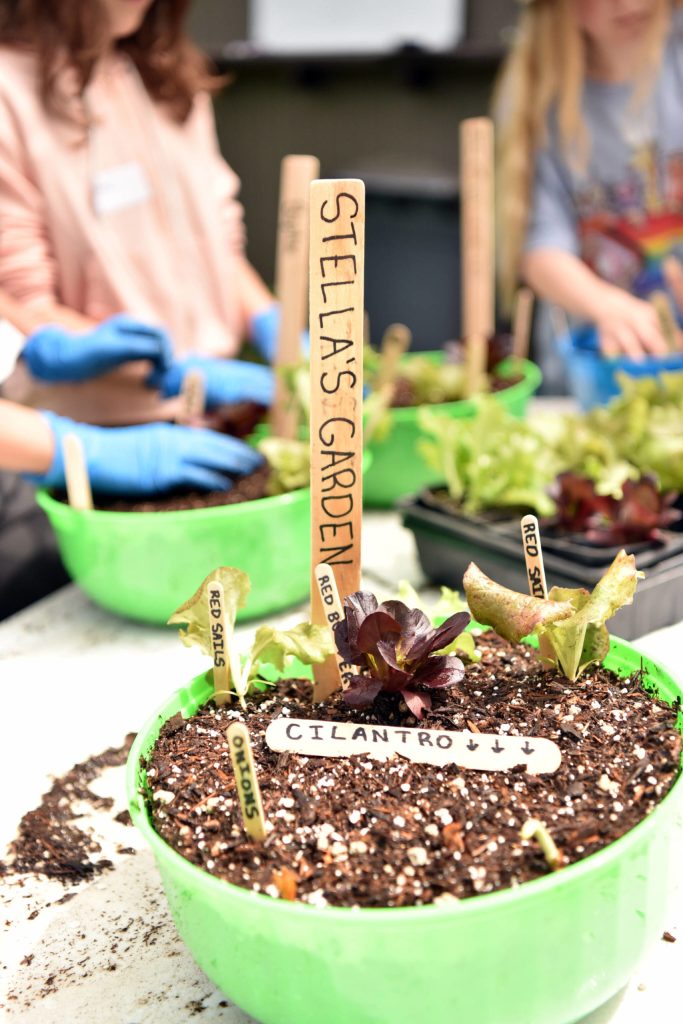
Those are some of the questions that the Bainbridge Prepares Food Resiliency team is digging into, along with teaching people how to plant for the future. That’s right, planting and harvesting your own food is one way to ensure food resiliency by connecting with the community-wide network to grow the maximum amount possible on the island, to preserve it and to share it when needed.
Bainbridge Prepares founder Scott James said, “The community formula we think about is farms plus food bank equal food security.”
The food resiliency team, led by Kitsap Regional librarian John Fossett and arborist Shaun Swalley, raises awareness to support BI farmers by partnering with Friends of the Farms, Veg Club and Helpline House to connect islanders with local farms, teaching gardening skills and offering ways to share extra food with one another.
A key component to achieving food resiliency is the BI Food Forest Project where the public can learn to grow food with hands-on experience at public farms.
Friends of the Farms is converting open areas at the former M&E tree farm with volunteer work parties and creating native pollinator meadows edged with a “snack trail” of Blackcap raspberries, elderberries, Evergreen huckleberries, salmonberries, blackberries and more, that can be picked or given to food banks.
Once all that locally grown food is ready for harvest, head on over to the BARN where food experts are teaching classes on canning and food preservation to extend the use of spring and summer foods for winter and spring meals.
Learn more about the BFF and local farms at www.friendsofthefarms.org/links.
Upcoming events
• Free Gardening Classes are available from the library on the second Tuesday of each month at 7 p.m. on Zoom; next session is June 14. For details and Zoom link go to www.krl.org/events/clone-veg-club-gardening-classes-library. Recordings of past classes are available on the Bainbridge Prepares YouTube Channel.
• Veg Club Canning Class: July 12 5-7 p.m. at the BARN kitchen with a demonstration for 20 people maximum; bath canning will be the focus.