
BPAA presents ‘LIGO: How to Catch a Gravitational Wave’
Published 9:30 am Monday, December 3, 2018
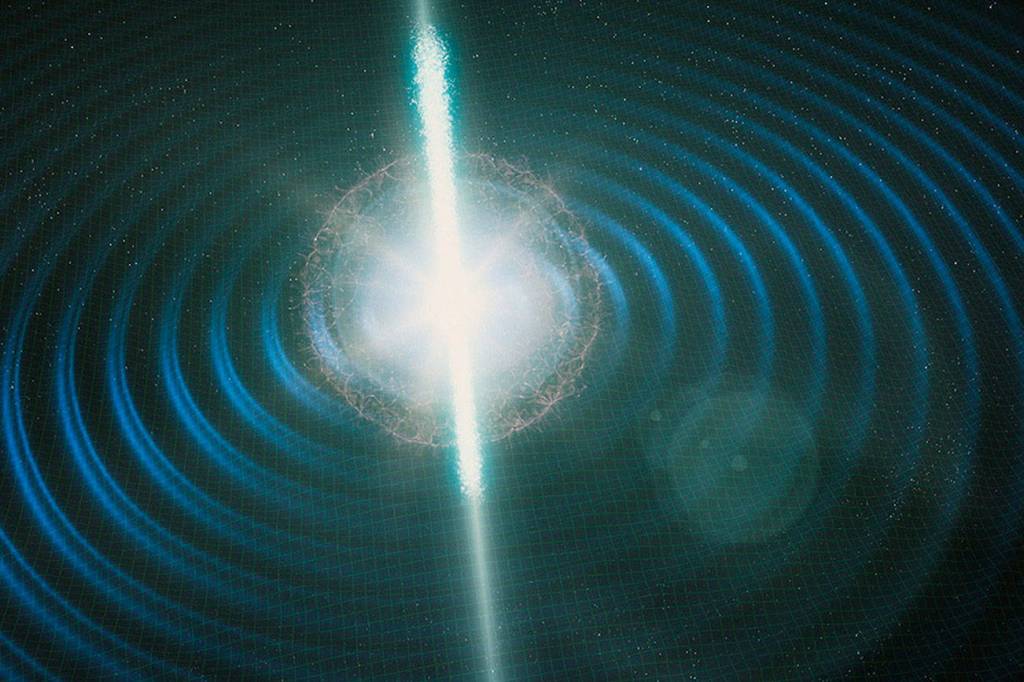
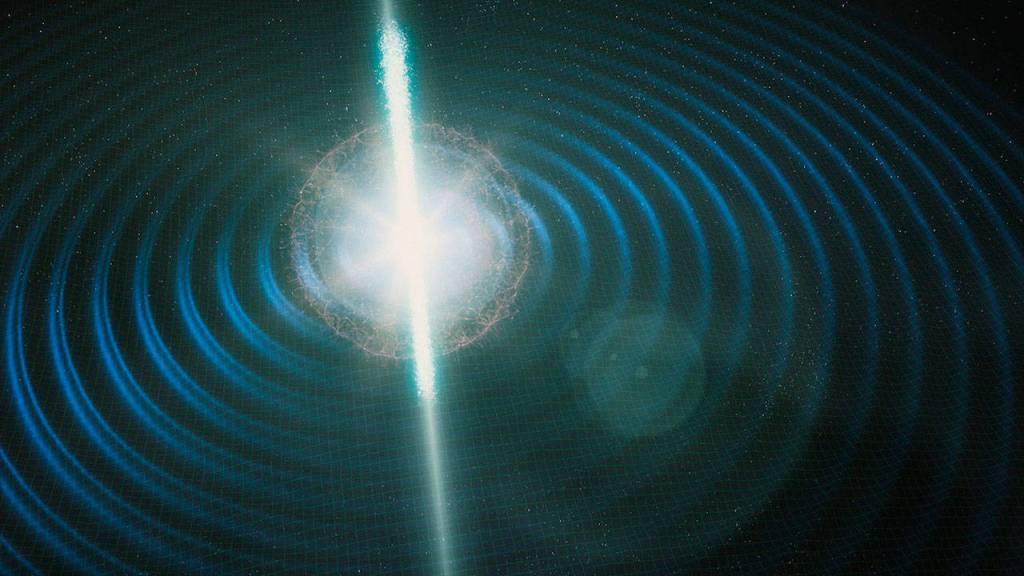
The Laser Interferometer Gravitational-Wave Observatory recently detected a disturbance in the space-time continuum caused by two neutron stars crashing together. The three scientists responsible for this achievement won the 2017 Nobel Prize in physics.
What is the Laser Interferometer Gravitational-Wave Observatory? What does it do? What did it find? And, why is this important?
At the planetarium show “LIGO: How to Catch a Gravitational Wave,” Frank Petrie and Jim Thrash will explain how LIGO provides a tantalizing glimpse into the strange world of Einstein’s general relativity, confirms a 100-year-old prediction of gravitational waves, and opens the door to the new field of gravitational-wave astrophysics.
The show, presented by the Battle Point Astronomical Association, is 7:30 p.m. Saturday, Dec. 8 at the Edwin E. Ritchie Observatory in Battle Point Park. Admission is free to BPAA members; a $2 donation is suggested for nonmembers, $5 for families.
There will also be a special kids show, “Spy Science,” from 4 to 6 pm with Dr. Erica Saint Clair.
If the sky is clear, astronomers will be on hand with telescopes.
The BPAA is a nonprofit amateur astronomy organization that operates the Ritchie Observatory and John H. Rudolph Planetarium in the Helix House at Battle Point Park.
For more information, call 206-842-9152 or visit www.bpastro.org.



Best of Bainbridge