Kitsap nixes plan to update equestrian facility zoning
Published 1:30 am Wednesday, March 25, 2026
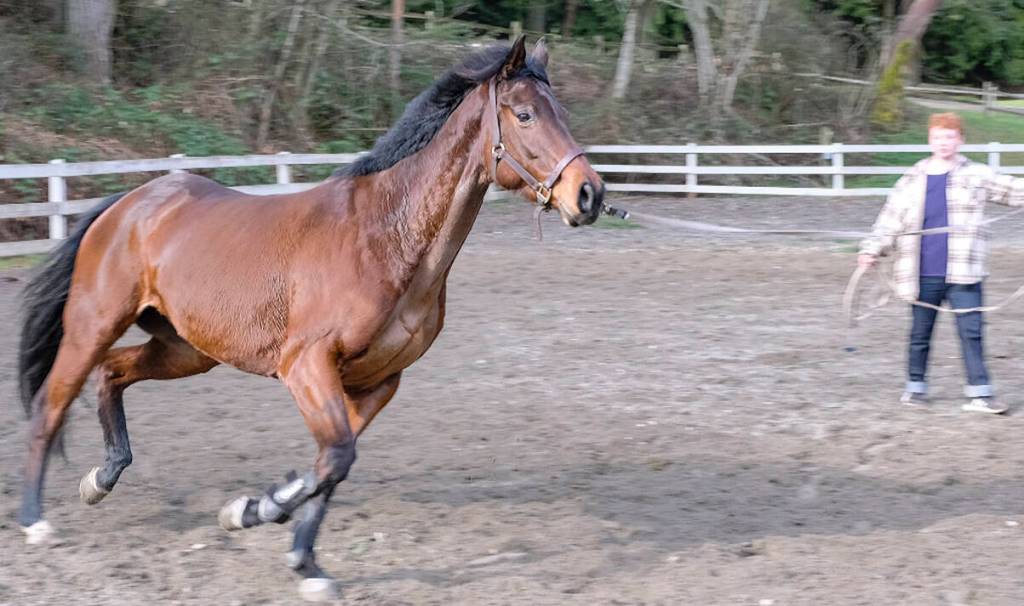
Kitsap County leadership decided not to proceed with a suite of controversial updates to the zoning code for equestrian facilities March 11, opting instead to expand outreach and collaboration with the Equestrian Working Group to encourage good practices and mediate conflicts between rural residents and horse properties.
With support from the new Agriculture Advisory Council, an 11-member volunteer committee of people with expertise in farming, raising and treating livestock, agricultural economics and education, the county will focus on outreach to equestrian businesses rather than enforcement.
The current plan is to help equestrian businesses strike a balance between the regular impacts of operation and being considerate of neighboring properties. The EWG will help develop business-focused “guidance materials” that aim to educate property owners on how to minimize dust, odor and noise from activity at the facility.
“Through these actions, Kitsap County aims to support the viability of equestrian and agricultural businesses while maintaining positive relationships among rural neighbors,” wrote county officials in a news release.
The proposed changes were initially part of the Year of the Rural, a supplemental document to the 2024 Kitsap Comprehensive Plan that defined how unincorporated areas of the county may be “preserved and enhanced” during the plan’s 20-year period, alongside development in suburban and urban areas.
Key points of interest included expanding sites for childcare centers, new requirements for agriculture and animal husbandry, and distinguishing between “rural residential” areas and “rural industrial” areas, and park zoning.
In September 2025, after about nine months of deliberation on the Year of the Rural, the Kitsap Department of Community Development unveiled a raft of proposed regulations intended to add some guardrails to the operation of equestrian facilities in rural Kitsap.
Most of the new language dictated facility use, including hours of operation, setbacks for paddocks, and dust, noise and odor control; however, it also redefined “equestrian facility” to include any property that boards a horse — lumping in hobbyists and pet owners with large-scale businesses.
Alarm swept the equestrian community. Horse owners, riders, boarders and trainers attended county commissioners’ meetings, provided public comment to the Kitsap DCD and spoke out on social media against the regulations. Many saw the laws as contradictory to common horse husbandry practices.
“There’s a lot of people that have smaller areas, like mine, who use every little piece of the property for their business. There’s just so many [rules] — like, you can’t have any dust. I mean, they’re animals,” said Katie Starks of Countryman Stables on Bainbridge Island, in an October interview with Kitsap News Group. “We would have to close, and I think that there are a lot of places like ours that are the same way. There are some farms that are independently wealthy, and they have tons of acreage, and they might be able to get around some of the codes, but I don’t think many of us would. I think it would pretty much eradicate most of the farms.”
Starks noted that her existing five-acre horse property would not have been compliant with the proposed laws: if she had to keep her paddocks 200 feet from the property line, “that leaves me with nowhere to turn any horses out,” she said.
The county had arranged for representatives from many different stakeholder groups to submit comments on the YOTR plan, but no specific group to speak for the equestrian community. After public pushback, county commissioners decided to separate the equestrian facility planning process from the rest of the YOTR and delay its approval to June 2026, before cancelling it entirely in March.