
Daring dreamers, Hollywood hopes:Lynwood film series to study ‘American Man’
Published 1:30 am Saturday, February 4, 2017
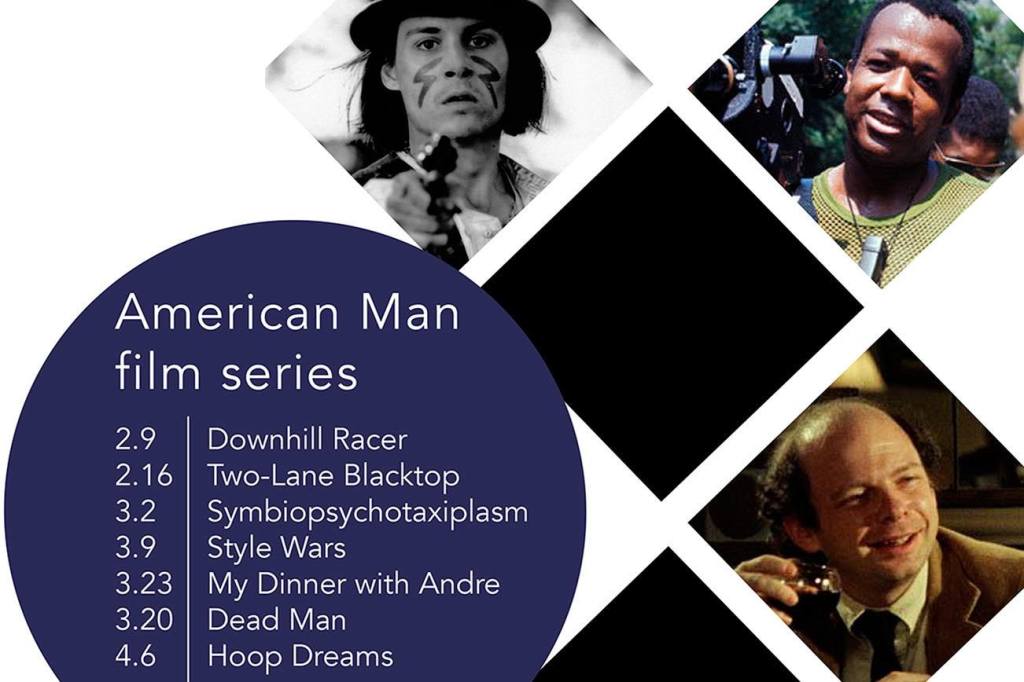
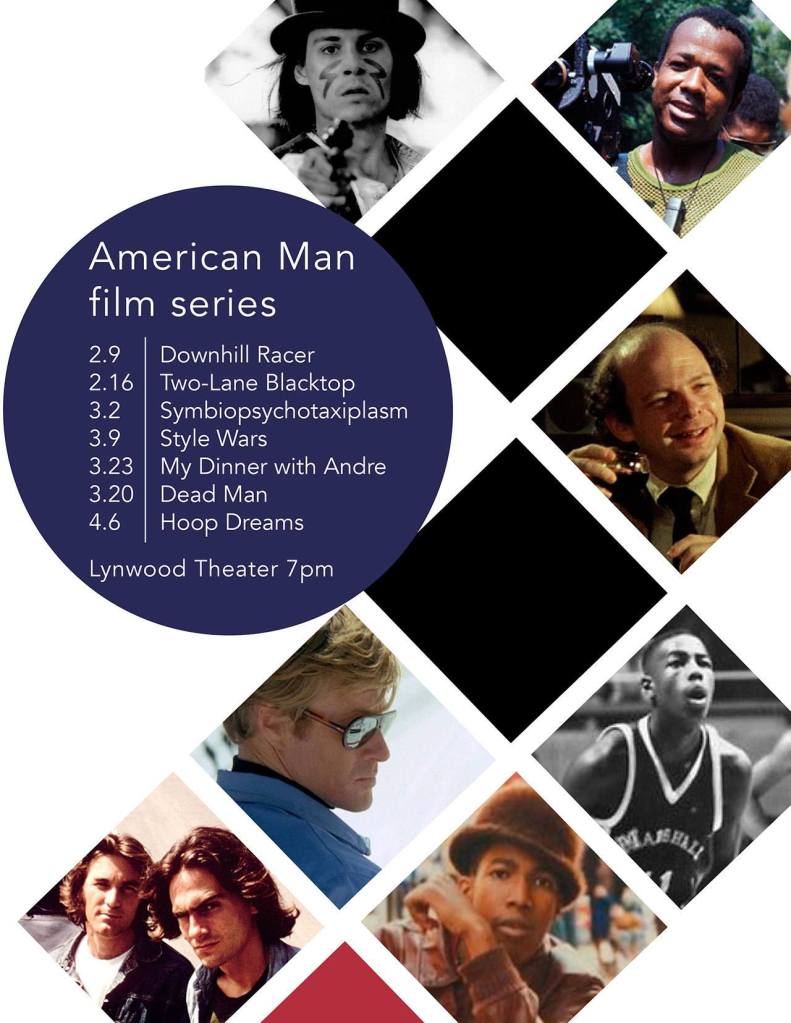


The latest film series to be curated by Tova Gannana casts a wide net.
From sea to shining sea, in fact.
The cunning cineaste brought to the Lynwood Theater “Throw Away Economy,” a four-film series featuring tales of consumer culture and greed, last year, and is now returning to the island’s most historic movie house for her latest series: “American Man.”
This new silver screen stable will be shown on select Thursdays, staring at 7 p.m., and will include “Downhill Racer” (1968), “Two-Lane Blacktop” (1971), “Symbiopsychotaxiplasm” (1968), “Style Wars” (1983), “My Dinner With Andre” (1981), “Dead Man” (1995) and “Hoop Dreams” (1994).
Visit www.farawayentertainment.com/location/lynwood-theater for more information and to purchase tickets, or call 206-842-3080. Tickets are $11.25 per person.
A prescreening get together will take place prior to the start of each show, Gannana said, at Suzanne Maurice Wine Bar (4620 Lynwood Center Road NE).
“If you buy your ticket [at] or bring your ticket to Suzanne Maurice Wine Bar before each film you will receive a glass of wine for $5 and a small plate of Salumi Salami,” Gannana said.
The series is sponsored by Salumi Artisan Cured Meats, Rolling Bay Cafe, Firefly Salon, Fiscus Dentistry, Thomas D. Coe Attorney at Law, Bainbridge Yoga House, Restaurant Marche, Wildernest, Bainbridge Island Outfitters and Depot, The Harbour Public House, Daily Flirtations and Willow Tree Market.
Gannana chatted with the Review recently about her cinematic choices for this new series and the challenges of representing such a broad theme in just seven films.
BIR: The theme of this series seems much more philosophical, maybe even existential, than the previous one. What made you settle on “American Man” as the overriding subject of this series, and what specific issues do these films address that makes them worthy entries?
TG: I thought of the title “American Man” without creating a concrete concept or meaning. It was more a feeling I wanted to explore. On one level, I simply like the way “American Man” sounds. I knew I wanted to open with “Downhill Racer” and close with “Hoop Dreams”. These are the films of dreamers which makes them, for me, American.
BIR: I understand the work of [photographer] Richard Avedon played a part in your conception of this series. What is it about his work that most appeals to you?
TG: Richard Avedon is one of the greats. He follows in the path of Walker Evans, Robert Frank and Gordon Parks. They were looking for faces to tell the American story, whatever that may be, a continuous tale that Avedon connected to and wanted to be part of the recording. His book, “In The American West,” is void of landscape other than the men and women he asked to take their portrait. We must imagine what their American West looks like. We see the imprint of their geographical location in them. Mostly they were drifters, industrial workers, waitresses. People that blow into town and blow out with not much societal notice. Avedon’s humility matches the humility of the people he photographed, allowing the viewer space for interest and compassion.
BIR: Did aesthetics play a role in the selection of these films? They seem to run the gamut of styles: documentary vs. fiction, intimate vs. action-oriented, and even color vs. black and white. Was that variety intentional?
TG: Mostly, I wanted to cover a certain amount of time in America. So we begin in 1969 and end in 1994. The style was less important than the story. I think these are courageous films that we have an obligation to see today, much like Avedon’s book.
BIR: What kind of conversation and/or awareness are you hoping audiences leave the theater with?
TG: We have now over 100 years of filmmaking. To see a film from the last century is to reach into time passed. Which makes me think of a line from the mid-century essay “Looking for a Silver Lining” by Harrison Brown: “The machine has divorced man from a world of nature to which he belongs, and in the process he has lost in large measure the powers of contemplation with which he was endowed.” These films come from the days of contemplation. I hope the audience is entertained and is also in some way changed.
BIR: What makes the Lynwood Theater such a good venue for this kind of thematic event?
TG: The history and the scale of the Lynwood in its vintage beauty and quirkiness makes it the ideal place to screen a film series. Lucky are the towns whose own Lynwood’s are running.