
Students’ stories on the stage:Annual BHS playfest theme is ‘Winter Wonderland’
Published 1:30 am Friday, February 3, 2017
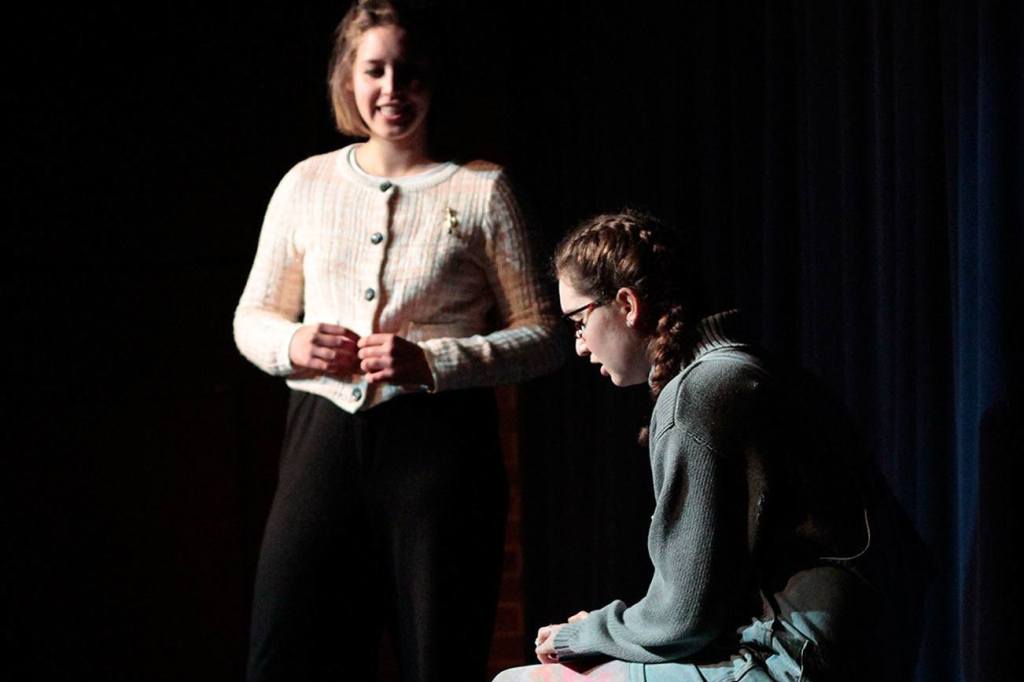
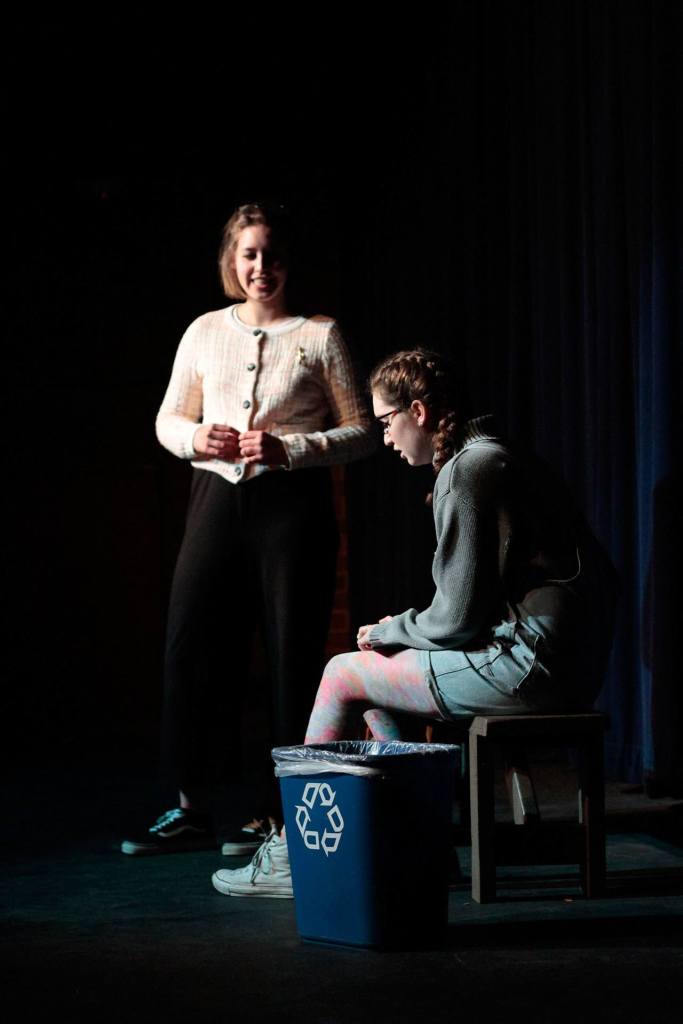
Written, organized, directed, performed and staged by students, this year’s Winter One Acts at Bainbridge High School promises audiences a sometimes fun, sometimes serious, teenager-fueled romp through a whimsical “Winter Wonderland.”
The annual stage sensation is set to return to the high school Large Group Instruction room at 7:30 p.m. Thursday, Feb. 9; Fridays, Feb. 3 and Feb. 10; and Saturdays, Feb. 4 and Feb. 11.
Tickets will be available at the door. The cost is $8 for students and $10 for adults, but be warned, sold-out performances have been common in past years.
This year’s theme, explained Karen Polinsky, the program’s primary faculty advisor, was informed by the plays ultimately chosen for production from the 48 submitted.
“We look and see what themes are evolving,” she said.
“It’s really different every year. We choose what we think are the best plays, but we do try to get at least a couple serious plays so we get a combination of the comedic and serious plays and then we see what emerges,” she said.
What emerged was … cool.
One play was actually called “Ice Queens,” and another featured a gnome. While not every play specifically deals with wintertime or snow, Polinsky said, the others were very much aligned with the eccentric, uncertain vibe of Wonderland.
“This year we decided we wanted to keep it light because the political atmosphere’s so heavy,” she added. “So that impacted our ‘Winter Wonderland’ theme.”
Student directors for the 2017 lineup are Josie Davis, Rory Schulte, Maddy Garfunkel, Julia Fradkin and Lucy Barcott.
The playlist includes: “Ice Queens” by Elizabeth Rolfes, “Les Cats” by Henry Bacon, “Fleischmesser” by Jack Bleakmore, “The Proposal” by Lizzi Nigash, “The Night” by Andrew Beckett, “Neighbors to the North” by Ethan Glaze and “Peggy Margaret” by Lauren Wallach and Tori Konig.
“Everything is done by kids as much as possible and I just try to coach them through it, Polinsky said.
Many in the core group of returning participants agree that keeping the show in the hands of students as much as possible (not the case just four or five years ago, according to Polinsky) definitely contributes to its popularity, Julia Fradkin, a director and one of four student artistic directors, said.
“When students run it we know what kids like to see,” she explained. “We know how to make it appealing to the kids, and it is still appealing to the adults, but I just think since the target audience is the student body of BHS — it helps when students run it because we know what other students like.”
Lucy Barcott, another student director and also the student tech director, agreed.
“It really opens up the collaborative process,” she said. “Everyone sort of comes in on equal footing and there’s no dynamic of, ‘Oh, you’re the hired person who’s coming in to direct this.’ It’s just everyone’s here and we want to make the best product possible.”
The relationship between student writer and director is a particularly interesting example of that collaboration. Once selected, the playwright is allowed to explain the piece and give notes on the tone and delivery, but the production is ultimately up to the director, so long as they stay true to the base intent of the piece.
“It’s the director’s thing,” said Henry Bacon, author of “Les Cats,” directed by Josie Davis. “I’ve been banished from saying anything, really, but I try.”
Boundaries are important, Davis agreed.
“He’ll come up to me and say, ‘Hey, I was thinking this.’ But I have to shut him down,” she laughed. “I like the fact that [the play’s] silly without trying to be silly and you can’t take it seriously, and it’s a big cast.”
Big cast or small, funny or sad, Polinsky said that throughout all this year’s submissions there were overarching themes and concerns that united the creative minds of the school’s aspiring playwrights.
“This year there were a lot more anxious plays and there were more political plays as well,” she said. “We got a lot of funny plays this year though, too. It’s interesting. I think last year they were more serious, maybe darker.
“I think the kids just didn’t want to go to that dark place as much,” she added.
“Kids know what kids are interested in or find funny and what adults who aren’t teenagers or this particular age — like what I find funny or moves me — is going to be different.”


Best of Bainbridge
